












Written by Dr. Lisa Weeth, DVM, DACVIM (Nutrition)
Choosing the best food for your puppy is one of the first big decisions you'll make as a pet parent – and it lays the foundation for a healthy future.
Puppies grow quickly, build new tissues every day, and rely on precise nutrition to support bone formation, immune function, muscle development, and long-term wellbeing. What you feed during this stage truly matters.
Veterinarians don't choose puppy food based on marketing claims. They evaluate growth-stage formulas using standards established by the Association of American Feed Control Officials (AAFCO), nutrient guidance from the National Research Council (NRC), and manufacturer transparency criteria outlined by the WSAVA Global Nutrition Committee.
This guide walks you through how to evaluate puppy food, which nutrients matter most during growth, and how to choose the right format and feeding approach so you can feel confident about what's going into their bowl.
Choose a high-quality, scientifically backed puppy formula that clearly states it meets the AAFCO dog food nutrient profiles for Growth (or All Life Stages), is appropriate for your puppy's expected adult size, includes clearly named ingredients, and comes from a company that is transparent about how its food is formulated and tested.
To evaluate a puppy food, focus on these key areas:
✓ Confirm life-stage adequacy
Check the nutritional adequacy statement on the label. It should state that the food meets AAFCO dog food nutrient profiles for Growth or All Life Stages. If it only lists "adult maintenance," it's too low in essential nutrients for a growing puppy.
✓ Match the formula to breed size
Consider your puppy's expected adult size. Large- and giant-breed puppies require more controlled calcium and phosphorus levels than small- and medium-breeds to support steady skeletal development.
✓ Review ingredient quality
Look for clearly named ingredients such as chicken, salmon, or sweet potato rather than vague ingredient terms. A complete formula should also include appropriate vitamin and mineral fortification.
✓ Evaluate the company behind the recipe
Look for transparency and experience. Reputable brands identify their veterinary nutrition expertise, explain whether they meet AAFCO standards through formulation analysis or feeding trials, and demonstrate practices consistent with WSAVA guidelines for manufacturer accountability, quality control, and nutritional oversight.
If you're ever unsure which formula best fits your puppy's needs, your veterinarian can help interpret labels and tailor recommendations based on breed, growth rate, and overall health.
Puppy foods should be more energy dense and have higher nutrient fortifications than diets intended for "adult maintenance". Compared to adult dogs, puppies have higher calorie requirements and require higher and more controlled essential nutrient intakes to support rapid growth.
During the developmental stage, a puppy's diet must support:
Because of this, growth formulas are designed differently from adult maintenance diets. Puppies have higher requirements for nearly every essential nutrient, and those needs cannot be met by an adult-only formula.
| Nutritional Factor | Puppy Formula | Adult Formula |
|---|---|---|
| Calories | Higher to meet energy demand | Moderate for maintenance |
| Protein | Higher to support tissue development | Maintenance levels |
| Fat | Higher for more concentrated calories | Balanced for weight control |
| Docosahexaenoic Acid (DHA) | Included to support brain and vision development | Not required |
| Calcium & Phosphorus | Higher, with regulated upper limits to support controlled skeletal growth | Lower maintenance range |
Feeding an adult maintenance diet too early risks under-supporting a puppy's nutritional requirements during a critical developmental window. Conversely, feeding puppy food beyond the growth stage can contribute to excess weight gain once development slows.
Ensuring you choose the correct life-stage formula helps support steady, appropriate development.
Puppies require highly digestible protein, energy-dense fats, DHA, balanced minerals, essential vitamins, and water to support healthy growth, bone development, immune function, and hydration.
Here are the key nutrients and why they matter:
Large- and giant-breed puppies are especially sensitive to damage from deficiency or excessive calcium intake. Inadequate calcium (or vitamin D) intake leads to brittle bones and fractures as puppies grow. Too much calcium (or vitamin D) during growth prevents bones from elongating normally and increases the risk of developmental orthopedic conditions. Both can cause life-long damage to the skeletal system.
That's why AAFCO Growth profiles establish both minimums and maximums for calcium and phosphorus in large-breed puppy formulas. Controlled mineral levels help support steady skeletal development rather than accelerated growth.
This is also why breed size matters when selecting a growth-stage diet.
Puppy food is available in several formats, including dry kibble, wet or canned food, and fresh or gently cooked refrigerated meals. These formats differ in moisture content, processing methods, storage requirements, and overall feeding experience.
Dry kibble is a widely used format designed for convenience and extended shelf life.
Wet or canned puppy food contains higher moisture levels and is often selected for enhanced palatability.
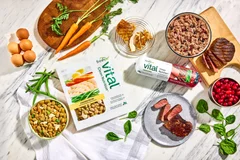
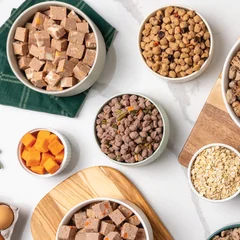
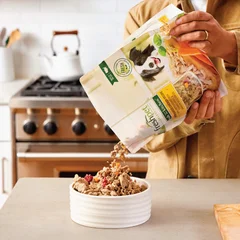
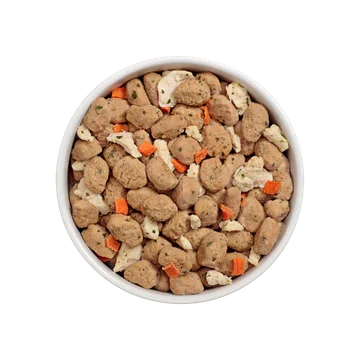
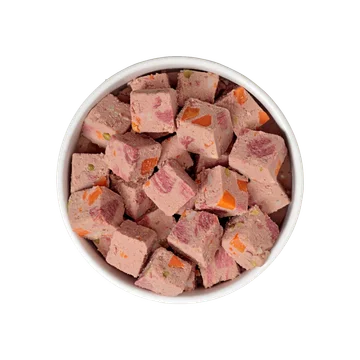
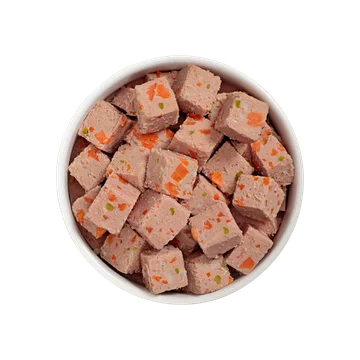
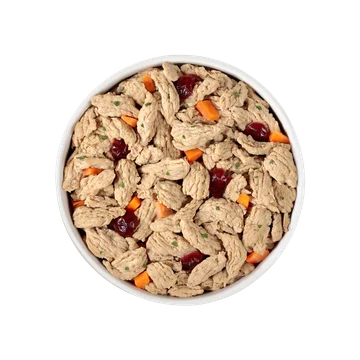
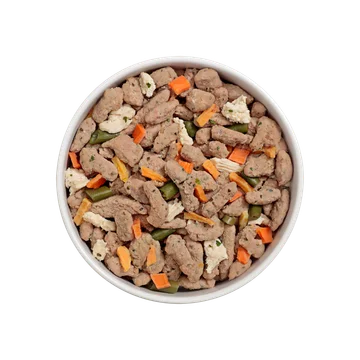
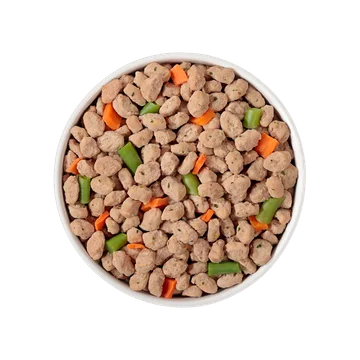
Fresh or gently cooked refrigerated meals are moisture-rich and typically undergo less intensive heat processing than traditional dry or canned shelf-stable options, resembling whole-food nutrition.
Some puppies require more targeted nutritional support based on breed size, metabolism, or medical conditions.
Types of formulas and diets include:
Both wet and dry puppy foods can be complete and balanced when properly formulated to meet AAFCO Growth standards. The best choice often depends on your puppy's preferences, hydration needs, and feeding routine.
Here's how the formats compare:
| Format | Benefits | Considerations |
|---|---|---|
| Dry | Convenient, cost-effective | Lower moisture, less digestible |
| Wet | High moisture, flavorful | May use general ingredients |
| Fresh | High moisture, clear ingredients, palatable | Requires refrigeration |
Moisture-rich formats, including wet and fresh options, can help support your puppy's hydration and may encourage consistent intake, especially during growth or diet transitions.
Yes. Many pet parents combine formats to balance convenience and palatability, such as adding wet food as a topper to kibble. As long as both foods meet AAFCO Growth nutrient profiles and portions are adjusted appropriately, mixed feeding can be a practical approach.
Yes – fresh dog food is safe for puppies when it is complete and balanced for growth and produced under rigorous safety and quality standards. Not all fresh diets are equivalent, and safety depends on proper formulation and oversight.
Fresh dog food is safe for puppies when it's:
When fresh food is formulated to meet AAFCO Growth requirements and manufactured under strict quality controls, it can safely support healthy puppy development.
Puppies should avoid foods not formulated for growth, unbalanced homemade diets, excessive mineral supplementation, toxic foods, and other ingredients not verified for safety.
In practical terms, that means avoiding:
The ASPCA Animal Poison Control Center notes that ingestion of certain human foods – including chocolate, grapes and raisins, onions, garlic, xylitol, and alcohol – can result in serious complications ranging from gastrointestinal upset to kidney damage, seizures, or even death.
When in doubt about a specific food or ingredient, consult your veterinarian before offering it to your puppy.
Most puppies should eat three to four small meals per day, gradually transitioning to two meals daily as they mature.
Feeding frequency typically follows this general pattern:
Frequent, evenly spaced meals help support your puppy's fast metabolism, ensure stable blood sugar levels, sustain energy during periods of rapid growth, and keep them full throughout the day.
To decide how much food your puppy should eat, start with the feeding guidelines on the package as a baseline. Keep in mind that these are general estimates and don't account for your puppy's individual metabolism, breed size, activity level, or current body condition.
Puppies require more calories per kg or lb than adult dogs, but excess intake can accelerate growth and place stress on developing bones and joints, particularly in large- and giant-breed puppies.
The goal during puppyhood is optimal – not maximal – growth. Veterinary nutrition guidance from the Canadian Academy of Veterinary Nutrition (CAVN) and VCA Animal Hospital emphasizes that slow, steady growth supports healthy body composition while reducing the risk of obesity and skeletal abnormalities.
To ensure your puppy is being fed the right amount, monitor for:
Portion adjustments should be based on body condition and growth trends, not simply appetite. If you're unsure whether your puppy is gaining too quickly or too slowly, your veterinarian can help tailor a feeding plan specific to breed, size, and developmental stage.
For large- and giant-breed puppies, controlled feeding is especially important. Overfeeding increases orthopedic risk, so following large-breed growth recommendations carefully helps support steady skeletal development.
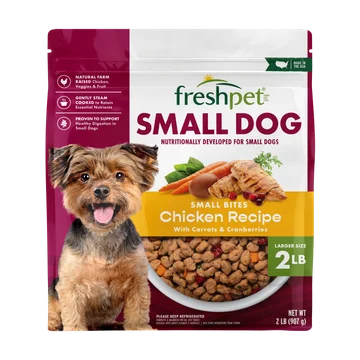
Small-breed puppies have faster metabolisms and smaller stomach capacities. They may require more calorie-dense meals offered in smaller, more frequent portions to maintain consistent energy levels and stable blood sugar.
Most puppies transition to adult food between 9–15 months of age. However, timing depends on breed size and developmental pace, and puppies should generally remain on a growth-stage diet until they have reached approximately 80% of their expected adult size.
General timing guidelines:
Smaller breeds reach physical maturity sooner, while large and giant breeds remain in active growth for many more months. Because skeletal development continues longer in larger dogs, they may require a longer period of growth-stage nutrition to support proper bone formation and steady development.
Time of neutering also impacts skeletal maturity. Dogs that are neutered before 9 months of age will have slower growth plate closure and may need to stay on puppy food longer.
Rather than switching at a specific weight milestone, evaluate overall growth trends, body condition, and breed size. Your veterinarian can help determine when your puppy has reached an appropriate stage to transition.
When you do switch, transition gradually over 7–10 days by mixing increasing amounts of adult food with decreasing amounts of puppy food.
You can tell your puppy's food is working if they are growing steadily, maintaining a healthy body condition, and showing normal energy and digestion.
Signs of appropriate nutrition include:
Regular veterinary visits, including weight checks and growth monitoring, help confirm that your puppy's diet is supporting healthy development.
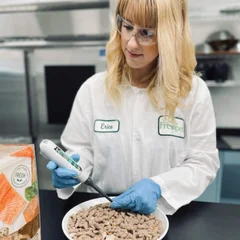
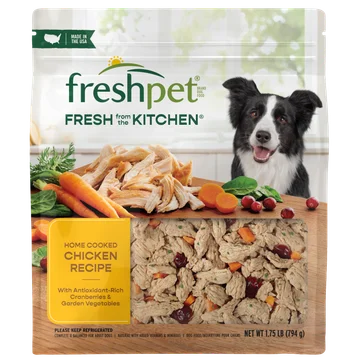
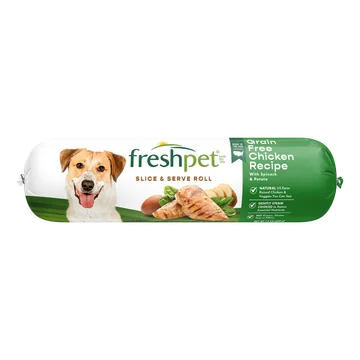
Freshpet supports healthy puppy development by formulating its puppy recipes to meet AAFCO Growth nutrient profiles, using wholesome and fresh ingredients in all of our recipes, and validating the quality of our foods through veterinary oversight and laboratory analysis as recommended in the WSAVA guidelines.
Freshpet's approach includes:
By combining veterinary nutrition expertise, ingredient transparency, and validated nutrient formulation, Freshpet provides complete and balanced growth nutrition in a fresh format.
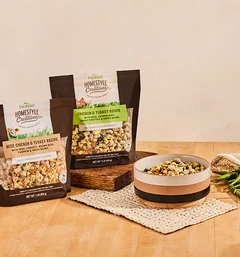
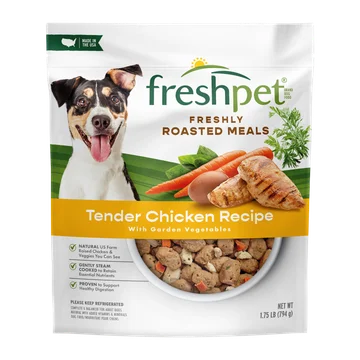
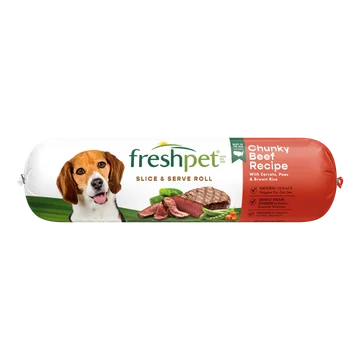
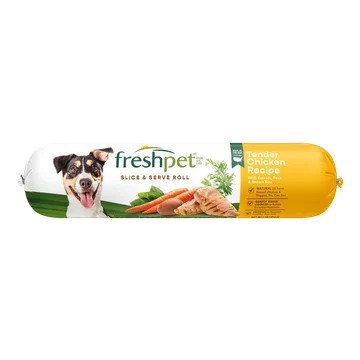
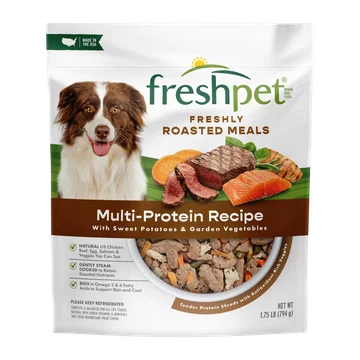
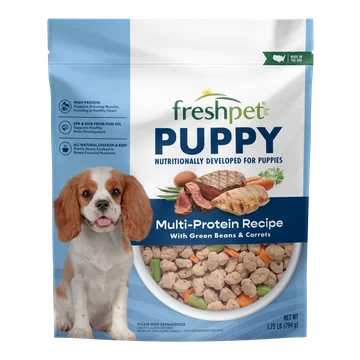
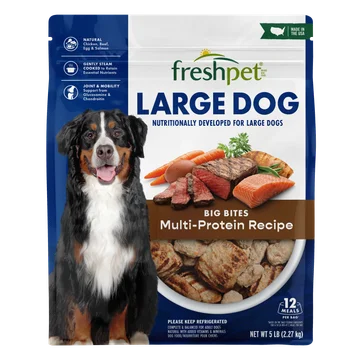
Freshpet offers several puppy-specific recipes designed to support healthy development during the growth phase, including:
These recipes provide:
Additional puppy recipes and size-specific options are also available.
As with any growth-stage diet, confirm suitability for large-breed puppies when applicable, since controlled mineral intake is especially important during extended growth and transition gradually when changing foods to support digestive adjustment.
Yes – fresh dog food can be safe for large-breed puppies when it is formulated to meet AAFCO Growth nutrient profiles and carefully controlled for appropriate calcium and phosphorus levels.
The most important nutrients to support joint development in puppies include balanced calcium and phosphorus levels, adequate protein, and appropriate calorie intake. These nutrients help promote steady skeletal growth and reduce excess stress on developing joints.
There is no single ideal protein percentage for all puppies. Quality, digestibility, amino acid balance, and overall formulation are more important than raw percentage alone.
Veterinarians recommend puppy foods that meet AAFCO Growth nutrient profiles, demonstrate nutrient validation, and provide transparency about formulation and manufacturing standards. Freshpet aligns with these criteria through veterinary oversight and laboratory analysis.
See how Freshpet's science-first approach supports healthy growth from puppyhood forward.

pet wellness
The ultimate guide to choosing the best food for a picky pup.
pet wellness
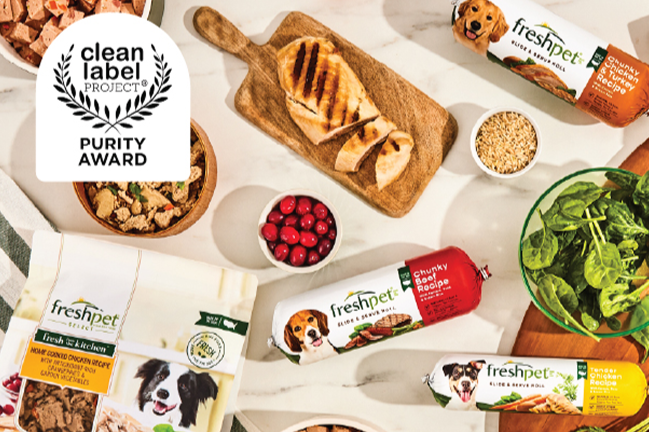
Learn how Freshpet earned Clean Label Certification and the prestigious Purity Award across its full U.S. product line.