








Written by Dr. Gerardo Pérez-Camargo, DVM, Ph.D.
Key takeaways:
“Vet-recommended” appears simple, but it has strict regulatory meaning, rigorous scientific expectations, and very specific requirements for how brands can use it. Understanding the term helps pet parents distinguish evidence-based nutrition from marketing language.
Dog-food packaging often uses “vet-recommended” to signal trust, but few dog owners know what qualifies a company to make that statement. The claim is regulated, must be backed by survey data, and is not the same as “vet-approved,” “vet-formulated,” or “recommended by my veterinarian.”
In this guide, you’ll learn what “vet-recommended” really means, how AAFCO and the FDA regulate endorsement language, what veterinarians look for when recommending food, and how Freshpet’s science-based formulations align with the same principles of transparency, evidence, and expert oversight.
“Vet-recommended” means a brand has statistically valid survey data showing a significant number of veterinarians endorse their product. Under AAFCO labeling rules, this endorsement claim must be truthful, not misleading, and supported by documentation regulators can audit.
Veterinary endorsement claims are not casual marketing statements. To use “vet-recommended,” a pet-food manufacturer must conduct a statistically significant, professionally sound survey that demonstrates real veterinarian support for its product or brand. AAFCO requires that this survey be verifiable and nondeceptive, meaning brands cannot imply universal consensus or misrepresent how many veterinarians were surveyed.
Importantly, “vet-recommended” does not mean:
The FDA and State Feed Control Officials oversee these claims to ensure consumers are not misled. When used correctly, the phrase signals that real veterinary data, not personal testimonials, support the product.
These terms sound similar but mean very different things. “Vet-recommended” is based on surveys, “vet-formulated” involves expert input, and “vet-approved” is not allowed on labels.
Vet-recommended
A regulated term based on statistically valid veterinary survey data. It indicates professional endorsement, not necessarily involvement in creating the diet.
Vet-formulated
Means the recipe was developed or reviewed by a veterinarian or qualified animal-nutrition expert. Ideally, this means a board-certified veterinary nutritionist (ACVN or ECVCN) or a Ph.D. animal-nutrition scientist contributed to formulation. WSAVA strongly encourages brands to disclose who formulates their diets and their credentials.
Vet-approved
Not permitted. There is no official approval system for dog-food products by veterinarians, AAFCO, or the FDA. Using “vet-approved” would be considered misleading under AAFCO model regulations.
Key takeaway:
Understanding these distinctions helps pet owners critically evaluate brand claims and focus on foods grounded in genuine expertise.
AAFCO treats veterinary endorsements as regulated marketing claims. Companies must back them with statistically valid data, ensure they’re not misleading, and maintain documentation for FDA and state review.
Under AAFCO’s Model Pet Food Regulations:
The FDA and State Feed Control Officials enforce these rules, ensuring “vet-recommended” remains a data-based claim, not a marketing shortcut. This framework aligns with WSAVA’s emphasis on transparency and consumer protection: Pet-food claims should be evidence-based, clearly defined, and verifiable.
Veterinarians look for evidence-based nutrition: AAFCO compliance, credentialed formulation experts, proven safety testing, and transparent manufacturing. They match these criteria to the dog’s age, breed, and health needs.
Most veterinarians rely on a shared set of professional benchmarks when recommending diets.
Veterinarians aim for one goal: matching a dog with food that delivers proven, complete, safe, and digestible nutrition.
Check whether the brand shows evidence of nutritional adequacy, expert formulation, WSAVA alignment, feeding-trial data, and transparent manufacturing.
A quick credibility checklist:
A credible “vet-recommended” label should make it easy to verify the science behind the endorsement.
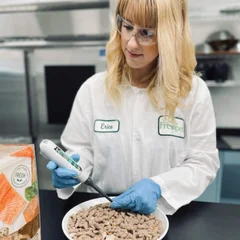
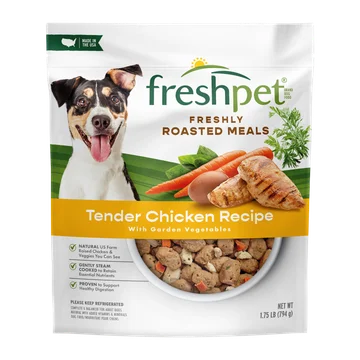
Freshpet’s recipes are formulated by veterinary nutrition experts and Ph.D. food scientists, meet AAFCO nutrient profiles, and follow WSAVA-aligned practices for safety, ingredient integrity, and transparency.
Freshpet follows a science-driven formulation philosophy built on:
Diets are developed and reviewed by board-certified veterinary nutritionists and Ph.D. scientists, ensuring each recipe meets rigorous nutritional standards.
Every Freshpet recipe is designed to meet AAFCO nutrient profiles for the appropriate life stage. Nutrient levels are validated through laboratory analysis and digestibility testing.
Freshpet uses fresh, clearly named ingredients such as real meats, vegetables, and essential vitamins/minerals – never artificial preservatives. Moisture-rich, minimally processed cooking methods make the food microbiologically safe and help preserve nutrient availability.
From supplier approval to in-plant safety checks, Freshpet emphasizes ingredient tracking, contamination prevention, and product testing. Refrigerated packaging maintains freshness without relying on synthetic preservatives.
This approach mirrors the standards veterinarians trust: science-backed formulation, validated nutrition, and transparent manufacturing.
While the regulated term “vet-recommended” requires statistically valid survey data to appear on packaging, many brands demonstrate veterinary trust in other credible ways. Freshpet does not use the formal “vet-recommended” claim on labels. However, many veterinarians publicly recommend Freshpet based on their clinical experience, nutritional expertise, and firsthand results with patients. These endorsements don’t replace the survey-based standard, but they do reflect genuine professional support aligned with the spirit of the regulated claim.
These endorsements align with the same evidence-based principles behind survey-based claims, even though the terminology is different.
Freshpet’s formulations are developed with veterinary oversight, meet AAFCO nutrient profiles, and emphasize real, gently cooked ingredients. These factors support digestibility, palatability, and balanced nutrition — qualities many veterinarians look for when recommending diets to clients.
These publicly available veterinary endorsements help illustrate how and why many professionals recommend Freshpet, even though the brand does not use the regulated, survey-based “vet-recommended” claim on packaging.
Freshpet’s credibility comes from expert formulation, transparent ingredient standards, and documented veterinary support, not from a marketing claim. By sharing direct veterinarian commentary, Freshpet provides clear, authentic reasons why many clinicians trust and recommend its recipes in practice.
Foods that are AAFCO-complete and balanced, formulated by ACVN/ECVCN experts, validated by feeding trials, and produced by brands with strong safety and transparency practices.
A complete and balanced diet uses real ingredients and is formulated by qualified nutrition experts. Always match the diet to your dog’s life stage, size, and health.
Look for named animal proteins, no artificial additives, traceable sourcing, expert formulation, and scientific validation, such as feeding trials.
Not necessarily. Grain-free diets only help dogs with confirmed grain sensitivities, and most dogs do well on balanced diets that include grains.
Vets choose diets based on research, nutrient adequacy, safety testing, and individual pet needs — not marketing terms or price.
Reasons include unbalanced nutrition, contamination risks, or lack of scientific validation.
No. A high price doesn’t make a diet “vet-recommended.” True recommendations come from expert formulation and proven nutritional adequacy, not cost.

pet wellness
Keep your dog safe and cool all summer long. Get 4 practical tips on hydration, safe walk times, exercise limits, and hot car dangers to watch for.

pet wellness
Learn important tips to ensure your dog is safe while traveling in the car.