


















written by Tori Holmes
Have you ever noticed that after coming home from a stressful day at work, your dog seems subdued, almost cautious? Or you're in great spirits, and suddenly your pup is bouncing around like it's the best day ever? This isn't a coincidence – in fact, it’s quite the opposite. Research has confirmed what many pet owners have long suspected: your emotional state directly shapes your dog's wellbeing.
Yes, dogs can sense your stress. They detect chemical changes in your sweat and breath, read your body language, and synchronize their own stress hormones with yours over time.
In 2019, a study revealed that dogs and their owners synchronize their long-term stress levels. Researchers analyzed hair cortisol concentrations, a biological marker of chronic stress, in 58 dog-human pairs over both summer and winter months. The results show that long-term stress hormone levels were synchronized between dogs and humans across seasons, demonstrating that this isn't about momentary reactions but a deep, lasting emotional connection.
What makes this finding particularly fascinating is that the dogs' physical activity levels and training frequency had no significant effect on their stress hormones. Instead, the owner's personality traits, especially neuroticism and openness, were the strongest predictors of a dog's cortisol levels. In other words, who you are emotionally matters more to your dog's stress than how many walks you take together.
Beyond cortisol levels, research shows dogs can detect acute stress through chemical changes in human sweat and breath with up to 94% accuracy. This phenomenon, known as emotional contagion, means dogs don't just observe your stress — they absorb it. Studies suggest the smell of human stress can cause dogs to become more cautious or pessimistic in their own decision-making.
Dogs read human emotions by combining sensory cues — body language, vocal tones, facial expressions, and scent, with an evolutionary hardwiring for empathy.
Unsurprisingly, dogs are remarkably sophisticated at understanding human feelings. To do this, they look at three things:
● Facial expressions: They read your facial expressions, distinguishing between happy, sad, angry, and neutral faces. Research shows dogs pay particular attention to the left side of a human face, which is the most emotionally expressive.
● Tone: Dogs process vocal emotions in the brain much like humans do. An angry tone activates their stress centers, while a high-pitched, cheerful voice triggers their reward centers.
● Body language: They notice changes in your body language, such as tense shoulders, rigid movements, or a relaxed posture.
● Scent: Dogs can physically detect changing hormones and chemicals. Studies show dogs become visibly more stressed when exposed to the sweat of someone who is afraid compared to someone who is happy.
As you can see, our dogs possess a remarkable ability to decode our emotions. It’s this unique attentiveness that makes them such deeply empathetic and attuned companions.
Your mood directly shapes your dog's behavior and emotional state. Because dogs are so finely tuned to your body language, tone, and scent, they function as an emotional mirror — reflecting back whatever energy you bring into the room.
The emotional bond between you and your dog runs so deep that your mood doesn't just affect the atmosphere of your home – it directly shapes your dog's behavior, health, and overall well-being.
● When you're happy and relaxed, your dog tends to mirror that energy. They're more playful, more confident, and more at ease in their environment. Positive emotional states create a secure foundation for your pet.
● When you're stressed or anxious, your dog picks up on it almost immediately. Studies show that dogs' heart rates increase when they perceive their owners are stressed, and over time, chronic stress in owners can contribute to anxiety-related behaviors in dogs, from excessive barking to destructive habits.
● When you're sad, dogs often respond with empathy, staying close and offering comfort. While this demonstrates their incredible sensitivity, prolonged exposure to low moods can dampen a dog's own spirits and activity levels.
● When you're angry or aggressive, dogs may become defensive, reactive, or withdrawn. Dogs raised in aggressive environments may mirror these behaviors, potentially developing their own aggression or fear responses.
Understanding this emotional connection reminds us that our dogs don't just live in our homes. They’re also active participants in our emotional worlds, making our own well-being essential to theirs.
Reducing your dog's stress starts with recognizing the trigger and responding with intention. There are several practical strategies that can help calm an anxious dog and build long-term emotional resilience.
Understanding this emotional bond isn't meant to make you feel guilty about having bad days. Instead, it's an invitation to be more intentional about how you manage stress around your pet.
● Practice stress management for both of you. Activities that calm you down, such as deep breathing, meditation, and gentle music, often have similar effects on your dog, so try to incorporate these into your routine.
● Maintain consistency during difficult times. When you're going through a rough patch, keeping your dog's schedule stable provides them with security even when your emotions fluctuate.
● Use physical activity strategically. Shared activities like walks or participating in sports, such as agility, can improve your mood and strengthen the bond you share with your pup.
● Create positive rituals. Regular play sessions, training games, or quiet cuddle time give your dog reliable moments of positive connection, regardless of what else is happening in your life.
By taking care of your own emotional health, you're not just benefiting yourself – you're actively supporting the well-being of your dog as well.


















pet wellness
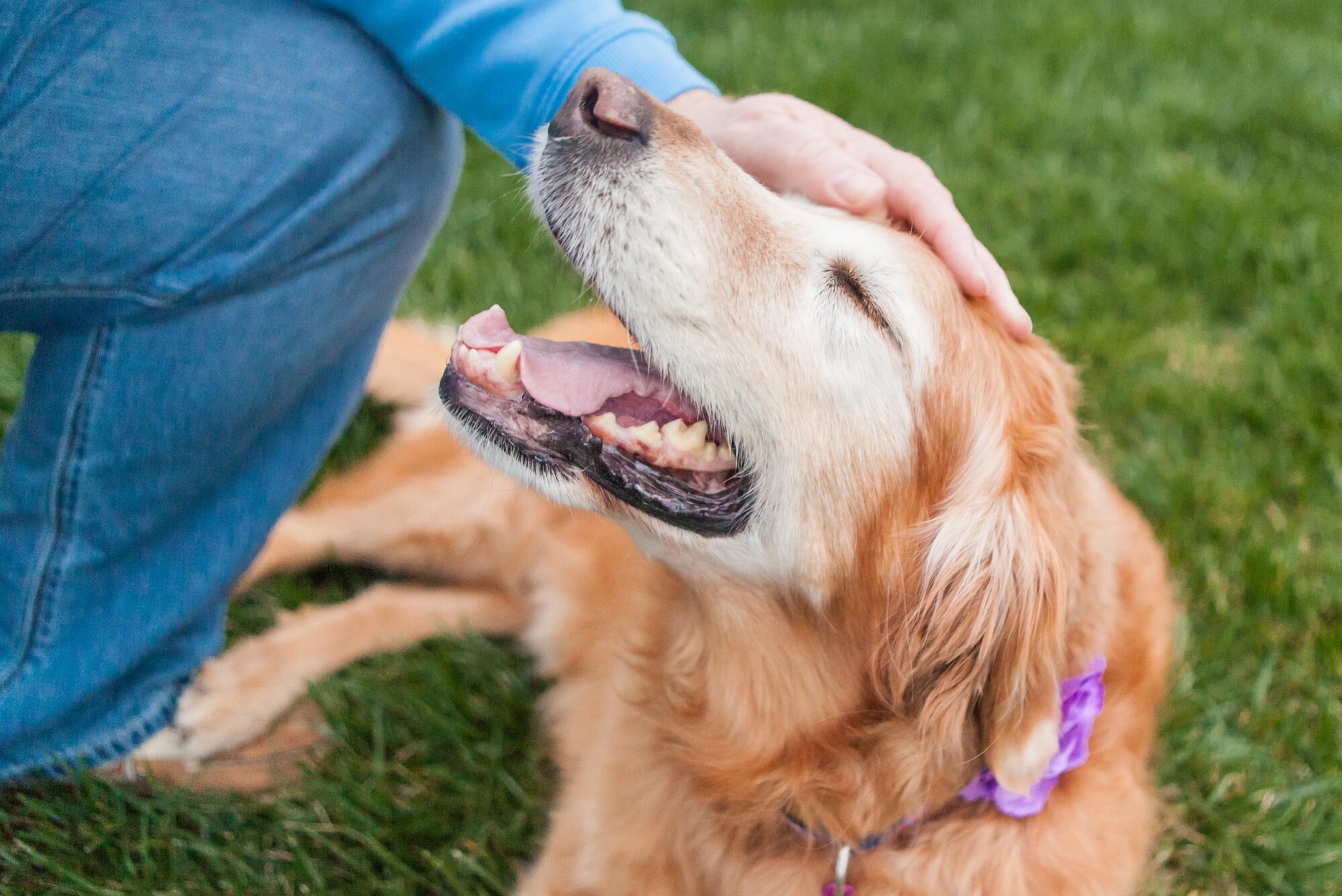
Pets do more than keep us company. Science shows they quietly support our health at every stage of life.

dog nutrition & feeding
Learn how to feed Freshpet on the go with pre-portioned meals, the right cooler, must-have supplies, and safe storage tips for fresh, healthy travel feeding.