




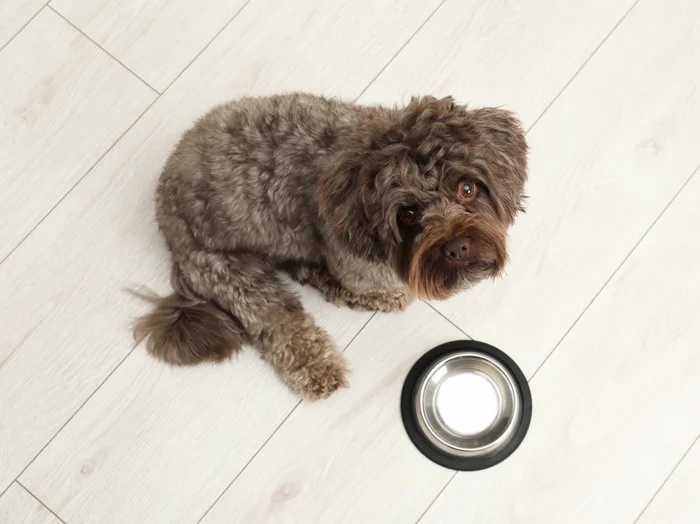
written by Dr. Gerardo Perez-Camargo, DVM, Ph.D.
Switching your dog's diet to fresh food can have numerous benefits, from improved digestion to enhanced overall health. However, it's crucial to make this transition slowly to ensure it's gentle on your dog's tummy.
In this step-by-step dog food guide, we will walk you through the process of transitioning to Freshpet, ensuring a smooth and successful change.
Switching your dog to fresh food is easier than you might think. Just follow these four simple phases over 10 days and let your dog's response guide the pace.
Begin the transition by mixing a small amount of Freshpet with your pet's current food. For the first three days, the mix should consist of 75% of the old food and 25% Freshpet. This initial stage allows your pet to start getting used to the new flavors and textures without overwhelming their digestive system.
Once your pet has adjusted to the initial mix, it's time to increase the amount of fresh food. For the next three days, feed your pet a 50/50 mix of their current food and Freshpet.
At this stage, your pet should be ready for a larger portion of fresh food. Transition to feeding 75% Freshpet and 25% of their current food for the next three days.
By now, your pet should be well-acclimated to the change in diet. For the final stage, feed 100% Freshpet.
Both approaches are healthy, valid options, and the best choice depends on your dog's needs and your household routine. Many pet parents transition fully to fresh food using the 10-day guide above, while others prefer to mix Freshpet with a quality kibble long-term for convenience, flexibility, or budget management.
Large dogs, multi-dog households, and busy schedules often make mixed feeding a practical option. The important thing is consistency and choosing a feeding approach that your dog enjoys and tolerates well.
Pets, like humans, can experience digestive upset when their diet is changed abruptly. By transitioning gradually, you give your pet's digestive system time to adjust to the new food. This slow approach minimizes the risk of stomach issues and helps your pet adapt to a new diet.
Most dogs transition to fresh food comfortably within 7–10 days, which gives their digestive system time to adjust gradually to the new ingredients, moisture levels, and nutrient profile. Dogs with sensitive stomachs, previous digestive issues, or a history of food sensitivities may need a slower transition over two to four weeks.
The most important thing is to follow your dog's response, not the calendar. The step-by-step transition guide below makes it easy to adjust the pace if your dog needs more time.
Most dogs transition to fresh food without any major issues, but it helps to know which signs are normal and which ones mean you should slow down or call your veterinarian.
Normal during transition:
Signs to slow down:
If these signs appear, go back to the previous transition phase for a few more days before increasing the fresh food again.
Call your veterinarian if you notice:
Most dogs move through the transition without any issues. These are simply the signs to watch for so you can respond quickly and confidently if needed.
Fresh dog food delivers real benefits, and most pet parents start noticing them within the first few weeks.
Improved Appetite: One of the first changes you might notice is an improvement in your pet's appetite. Fresh, enticing flavors and natural ingredients often make mealtime more enjoyable for pets. Many pet parents notice picky eaters becoming more excited at mealtime and finishing meals more consistently after switching to fresh food.
Enhanced Digestion: Our nutritionally balanced meals are designed to be gentle on your pet's stomach. As your pet transitions fully, you may notice improved digestion and less digestive upset. Some dogs also experience firmer stools, more regular bowel movements, and reduced stomach sensitivity once they settle into a consistent fresh food routine.
Better Overall Health: A fresh food diet can contribute to better overall health for your pet. These meals are rich in essential nutrients. Over time, many pet parents notice improvements in coat softness, skin condition, energy during walks and playtime, and healthy weight maintenance.
Most pet parents notice improved appetite and digestion within the first week or two. Coat, energy, and weight improvements typically follow over the first few weeks of full fresh food feeding.
A few simple habits make all the difference. Here's what helps the transition go smoothly for you and your dog.
Transitioning your pet to fresh food can be a rewarding experience that brings numerous health benefits. By following this step-by-step guide and being mindful of your pet's individual needs, you can make the switch smoothly and effectively.
Enjoy the positive changes in your pet's health and happiness as they thrive on their new, nutritious diet.
For most healthy adult dogs, no vet visit is required before starting the transition. It's a straightforward dietary upgrade.
If your dog has any health conditions like kidney or liver issues, pancreatitis history, GI sensitivity, diabetes, weight management needs, or known food allergies, a quick conversation with your vet first is a good idea.
Your vet can confirm Freshpet is the right fit and help you plan the transition for your dog's specific needs.
Yes. Freshpet is formulated as a complete and balanced diet that meets AAFCO nutritional standards, making it safe and appropriate for long-term feeding as your dog's primary food.
If you want to add variety, rotating between Freshpet recipes is a great approach. You get the nutritional benefits of different proteins without the digestive disruption of switching between entirely different food types.
Yes, mixing Freshpet with a quality dry food on a regular basis is a healthy and popular approach that many pet parents use long-term.
You can use Freshpet as the majority of the meal or as a nutritious topper alongside a high-quality kibble.
The key is consistency. A settled, regular routine keeps your dog's digestive system happy. What to avoid is abrupt day-to-day switches between completely different diets.
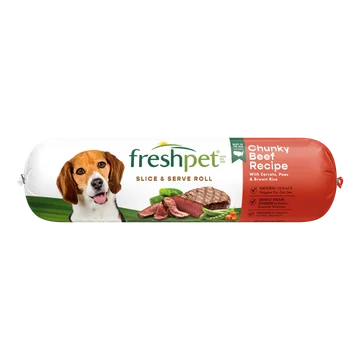
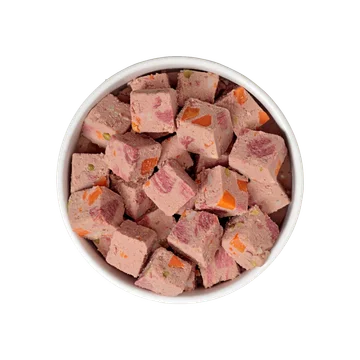
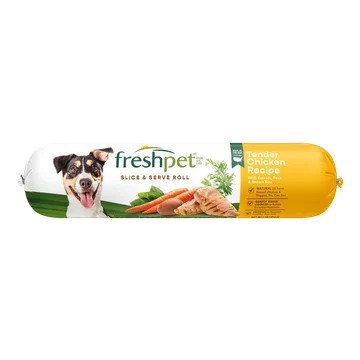
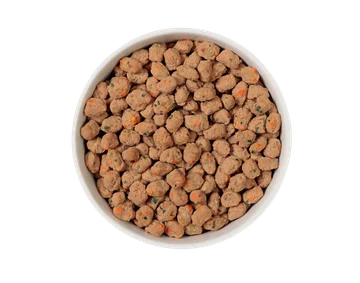
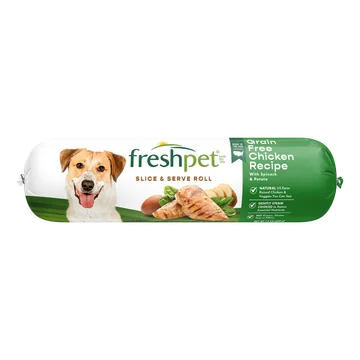
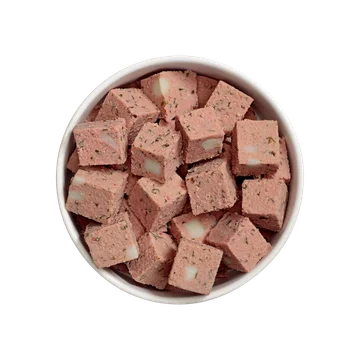
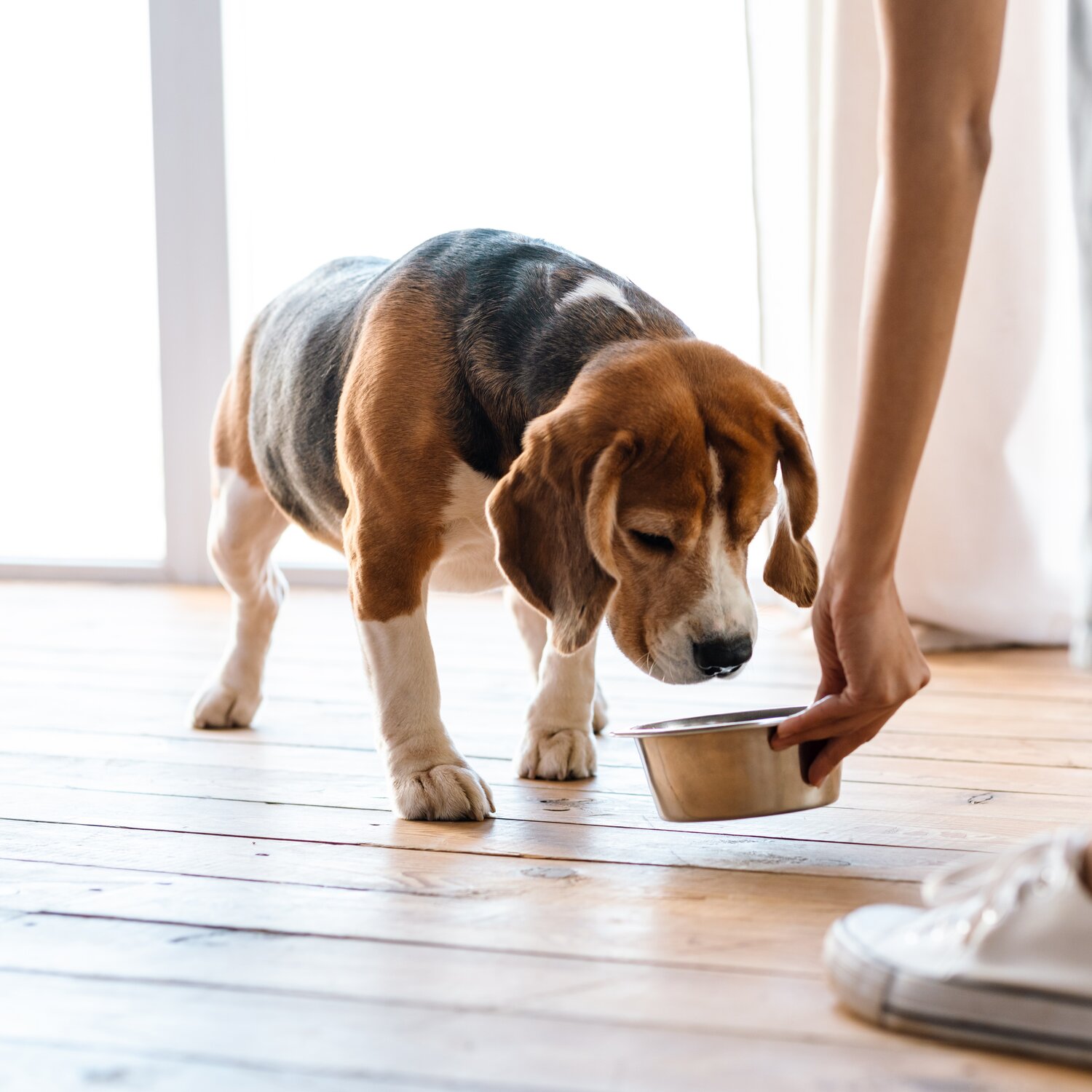
from the Freshpet vet team
Learn how to read a dog-food label like a vet and understand what the regulated information on the package actually tells you about ingredients, nutrition, and safety.

from the Freshpet vet team
Discover how Freshpet’s science-backed approach combines high-quality ingredients, expert formulation, gentle cooking, and rigorous testing.