We all love seeing our dogs happy, but their joy isn't always so obvious. While a wagging tail is a great start, our furry friends have more subtle ways of expressing that they’re content. Learning to read these less obvious signals is the key to understanding your dog's emotional world and strengthening your bond.
The overlooked signs of a truly happy dog
A wagging tail, excited barks, and play bows are obvious signs that a dog is happy – but what about the less obvious? Here’s what to look for in a dog that is quietly happy:
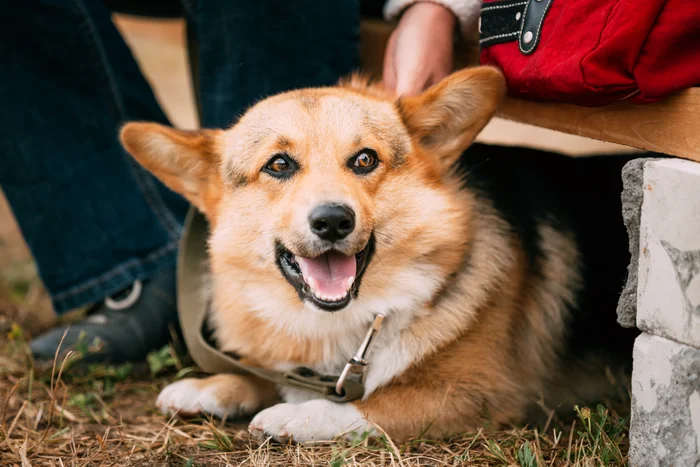
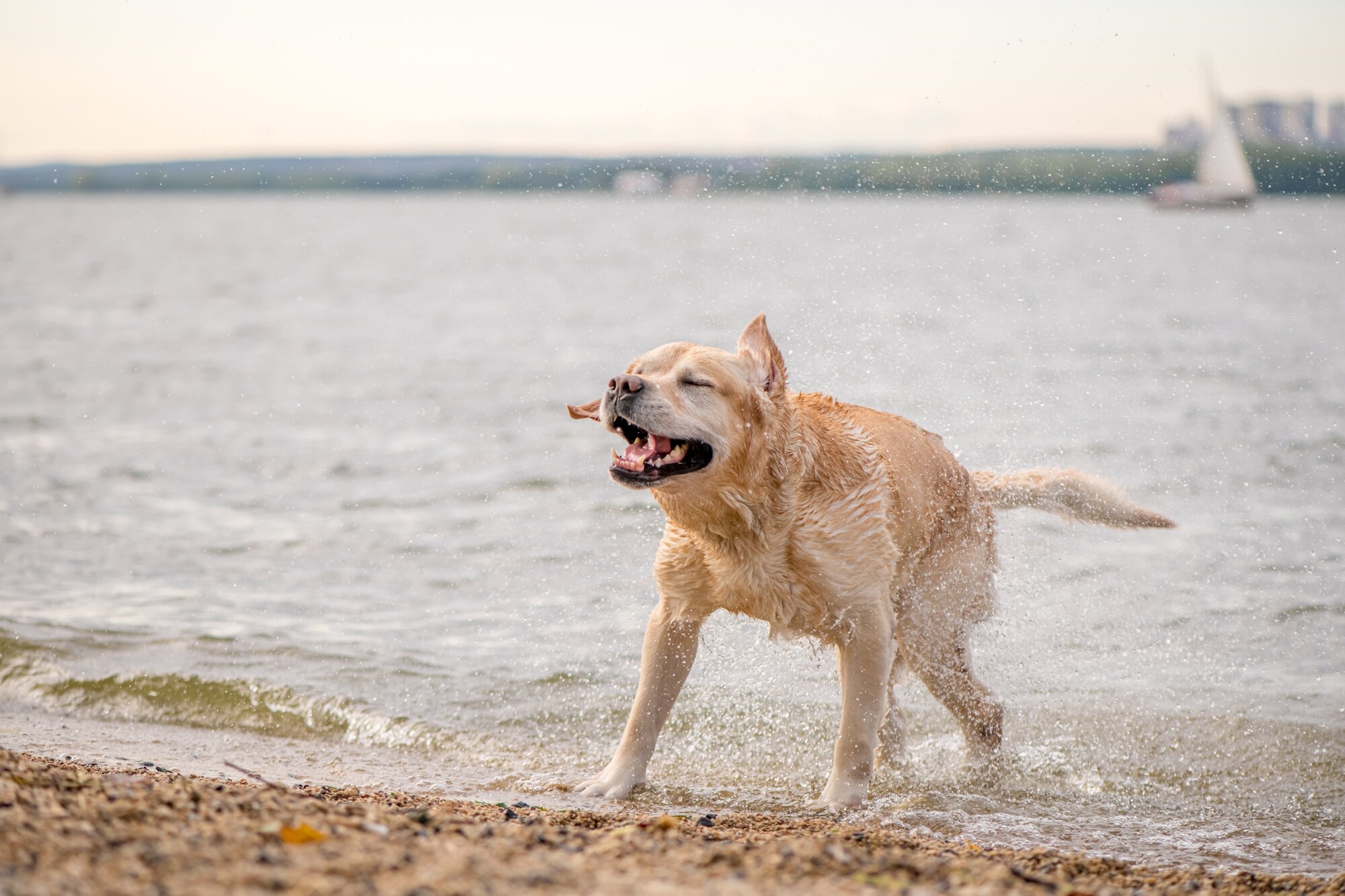
- Squinting or soft eye gaze: One of the clearest happy dog eyes signals is squinting. Do dogs squint when they're happy? Yes — when a dog is relaxed and content, their eyes are almond-shaped with a soft, squinty gaze. This is the opposite of the wide-eyed "whale eye" (where you can see the whites of their eyes), which is a sign of stress.
- Contented sighs: Ever wonder why your dog huffs when they lay down? A huff or contented sigh is actually a happy signal. Dogs most often make it as they settle down for a rest after doing something they enjoy, such as a walk or playtime. It’s distinctly different than whining or panting sounds that dogs make when they’re feeling anxious.
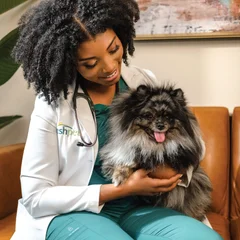
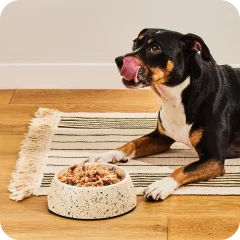
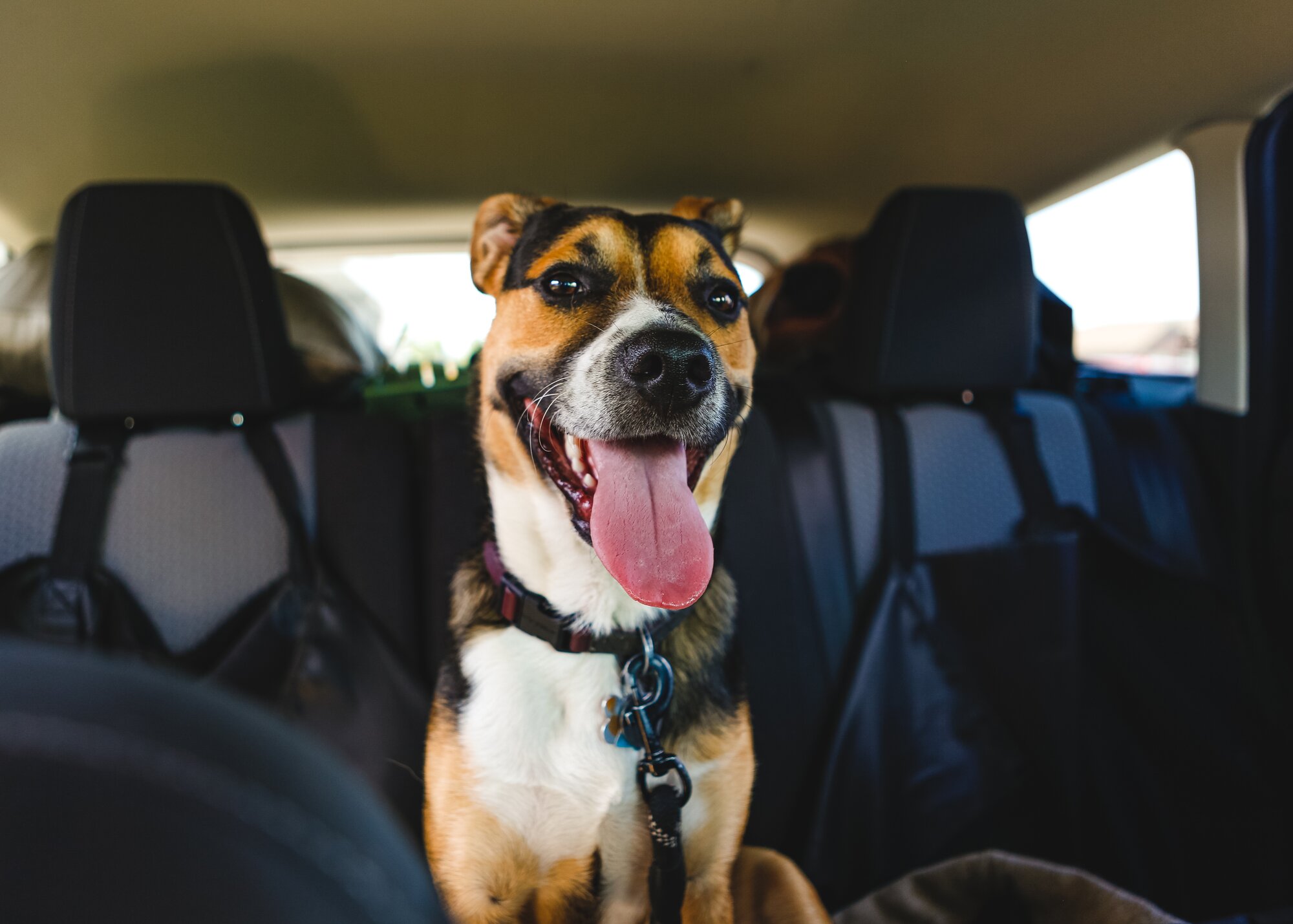
- Relaxed, open mouth: A happy, calm dog will often have a slightly open mouth with a lolling tongue. Their lips are loose, not pulled back tightly in a "smile" or pulled forward in a snarl.
- Bringing you a toy, but not demanding play: Sometimes, your dog bringing you a toy isn't a request for a game of fetch. It can be a simple offering, a way of sharing their prized possession with their favorite person – this is a true sign of trust and happiness.
By learning this subtle language your dog uses to express happiness, you can better understand how to tell if your dog is happy or just relaxed, and what the difference looks like.
Signs of stress in dogs and what to do
Just as important as recognizing happiness is spotting when your dog is feeling anxious or stressed. If you see any of these signs, it's time to step in and help:
- Pacing or restlessness: An anxious dog will often pace back and forth in a repetitive path, circle a room, or repeatedly get up, lie down, and get up again without ever finding a comfortable position. They may seem on alert, unable to relax even in their favorite spot.
- Excessive licking or yawning: Quick, repetitive flicks of their tongue onto their own nose or sudden, frequent yawns are both of these are bahaviors dogs engage to try and diffuse their own anxiety.
- Tucked tail: A tail curled tightly down and between the hind legs is a universal sign of fear, stress, or submission.
- Low, fast wag: A tail held low and wagging in a stiff, rapid, frantic manner signals insecurity, worry, or apprehension. It's often seen when a dog is being scolded or is in an uncertain situation.
- Whale eye: This occurs when a dog turns its head away from something but keeps its eyes locked on it, creating a crescent of white in the corner of the eye. You'll often see the rest of their body is frozen and is a clear sign that the dog is feeling nervous or uncomfortable.
- Ears pinned back: Stressed dogs will pull their ears flat and tight against the side or top of their head. This is often combined with other worried facial expressions, like a tightly closed mouth or whale eye.
How you can help calm down a stressed dog
If you notice your dog displaying any signs of stress, don't panic. Here are some practical ways to help your pup find their calm again:
- Create a safe space just for them: Every dog needs a quiet, cozy place that is just theirs, such as a crate with a soft blanket in a low-traffic corner. You can help your dog learn that this spot is a positive area by keeping their favorite toys there and regularly giving them their favorite Freshpet treat while they’re inside. Over time, they learn to self-soothe by retreating to the crate, giving them a powerful tool to manage their own stress and build confidence.
- Provide mental stimulation: When dogs lack a proper outlet for their energy, it can turn into pent-up anxiety and destructive behaviors like chewing or barking. Food puzzles and snuffle mats channel this energy into a rewarding task, forcing them to focus on a goal-oriented activity. Similarly, short, positive training sessions engage their problem-solving skills, providing mental fatigue that is just as exhausting as a physical workout.
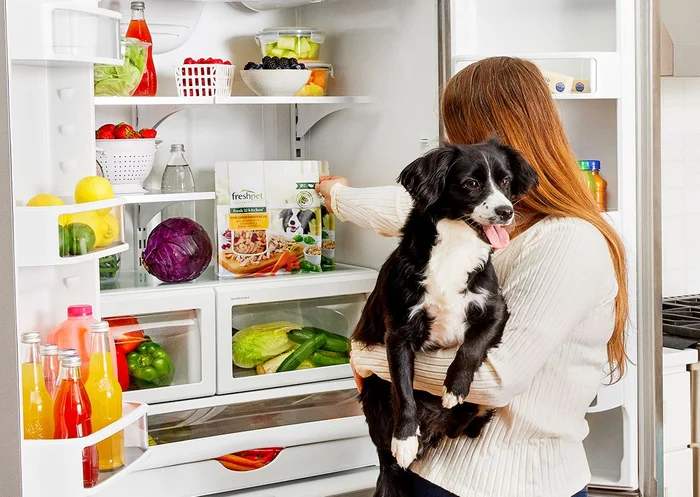
- Stick to a routine: Dogs thrive on predictability – consistent feeding, walking, and play times create a sense of security. Consistent mealtimes are especially important, as uncertainty about when their next meal is coming can be a huge source of stress for dogs. Feeding your pup their favorite Freshpet meal at the same time every day builds trust and reinforces you as a source of safety.
By tuning into these subtle signs of happiness – and anxiety – you’ll be able to accurately tell exactly how your pup feels and respond with exactly what they need in the moment.