










written by Dr. Lisa Weeth, DVM, DACVIM (Nutrition)
If your dog is dealing with frequent loose stools, vomiting, gas, or general digestive unpredictability, you already know how stressful it can be for both of you. Recurrent gastrointestinal upset, or having a “sensitive stomach,” is one of the most common reasons pet parents look for a new food, and one of the most misunderstood.
The good news: For most dogs, the right food makes a significant difference. The challenge is knowing what “right” actually means. Understanding which ingredients help, which ones trigger signs, and why food format matters as much as the ingredient list will all help you get to the answer.
This guide breaks down the causes and signs of a sensitive stomach, what to look for and avoid in dog food, why fresh food is increasingly supported by digestive health research, and how to find the right recipe for your dog’s specific needs.
A sensitive stomach is not a specific diagnosis, and in many cases it has nothing to do with a problem in the stomach itself. It’s a broad term used to describe a range of digestive issues, from occasional loose stools after eating the wrong thing to more persistent or recurrent signs like food vomiting, excess gas, diarrhea, or digestive discomfort linked to food intolerances, stress or anxiety, or an underlying intestinal condition.
Digestive sensitivity can develop for many different reasons, and in many dogs, more than one factor can be involved. Some dogs may simply not tolerate certain ingredients, while others experience digestive upset because of rapid food changes, underlying intestinal disease, new stressors in the home, or repeated exposure to foods that are less digestible than they are able to process.
Food sensitivities and food allergies are related but not identical. A food sensitivity or intolerance typically causes digestive signs and is often dose-dependent, while a true food allergy involves an immune response that can be triggered even by trace amounts of the offending ingredient.
Occasional mild digestive upset can sometimes be managed through careful short-term dietary changes, but persistent or recurrent vomiting, diarrhea, blood in the stool, weight loss, or lethargy warrant evaluation by a veterinarian. If signs continue despite diet adjustments, it’s important to rule out underlying medical conditions before assuming food alone is the cause.
Learn more about Freshpet special diet recipes.
Dogs with digestive sensitivities usually show recurring digestive signs, not just the occasional upset after eating something unusual. Loose stools, vomiting food, excessive gas, or abdominal noises that keep coming back are all signs that your dog may not be tolerating something in their diet.
Some dogs also show subtler signs like lip-licking, excessive swallowing or gulping, excessive drooling, increased pickiness, or trying to eat grass more frequently. If signs happen regularly, it’s worth discussing the pattern with your veterinarian and taking a closer look at their food.
Mild digestive upset signs can sometimes improve with thoughtful dietary changes, but persistent or worsening signs should always be evaluated by a veterinarian. Itching, paw chewing, recurring ear infections, and skin irritation can also occur alongside digestive signs, especially when food sensitivities or allergies are involved.
For a dog experiencing digestive sensitivity, the right food is evaluated on digestibility, ingredient quality, gut microbiome support, and the absence of known ingredient triggers.
Digestibility is the foundation of nutritional management for dogs with digestive sensitivities. For dogs with digestive sensitivities, how efficiently the body can break down source ingredients into essential nutrients and absorb those nutrients matters just as much as the ingredient list itself. Foods made with whole, less processed ingredients are often gentler on the digestive system and easier to utilize.
Choose a formula designed with digestibility in mind, ideally one made with whole, low-temperature cooked ingredients that support easier digestion and better nutrient absorption.
Many over-the-counter commercial dog foods are formulated for shelf stability and palatability rather than digestibility, and several commonly used ingredients can contribute to digestive upset in dogs with digestive sensitivities.
Reading the full ingredient list — not just the marketing claims — is the most reliable way to understand exactly what your dog is eating and identify potential triggers for GI upset.
For most dogs experiencing recurring digestive sensitivity, the best dog food is one built around highly digestible proteins, whole ingredients, gentle processing methods, and minimal digestive irritants.
The most important evaluation criteria are digestibility, ingredient quality, gut support, and whether the food format matches your dog’s specific digestive needs.
| Food Format | Digestibility | Ingredient Quality | Best For |
|---|---|---|---|
| Fresh-cooked dog food | High digestibility due to lower temp cooking and higher moisture content | Whole, minimally processed ingredients with fewer artificial additives | Most dogs with mild-to-moderate digestive sensitivity |
| Limited ingredient diets | Reduces exposure to potential triggers and simplifies digestion | Varies by brand and ingredient sourcing | Dogs with suspected ingredient sensitivities or mild food intolerance |
| Prescription hydrolyzed diets | Proteins broken into small fragments less likely to trigger immune reactions | Clinically formulated under veterinary supervision | Severe food allergies, chronic GI disease, or elimination diet trials |
| Traditional dry kibble | Moderate digestibility depending on processing and ingredient quality | Varies widely; often more processed and preservative-dependent | Dogs without major digestive sensitivities or owners who need portable convenience |
For most cases of digestive sensitivity, fresh dog food is the strongest starting point because it combines high digestibility with minimally processed ingredients and better moisture content. Prescription or hydrolyzed diets may be more appropriate for dogs with severe GI disease, chronic inflammatory conditions, or confirmed food allergies under veterinary supervision.
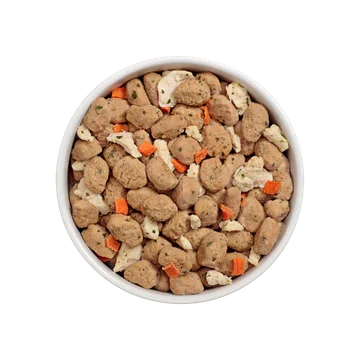
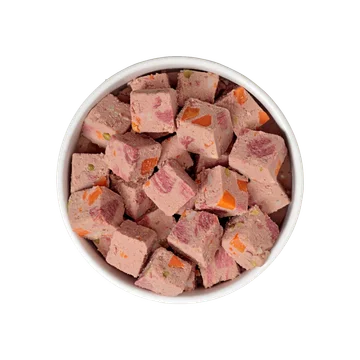
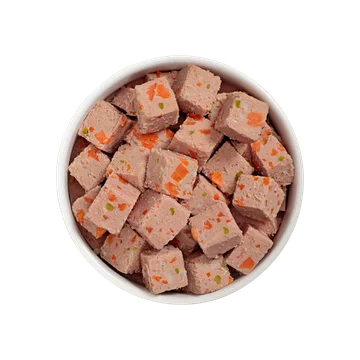
Fresh dog food may support dogs with digestive sensitivities because lower-temperature, food-safe cooking methods preserve more of the protein’s natural structure, meaning less undigested material reaches the gut where it can ferment and contribute to bacterial imbalance and GI signs.
High-heat extrusion used to make dry kibble can alter protein structure, result in cross-linking of proteins and starches, and reduce overall digestibility, while gently steam-cooked fresh food better preserves protein integrity and nutrient bioavailability. Research published in the Journal of Animal Science has shown that fresh diets can achieve higher digestibility than extruded dry food, and even raw meat, allowing dogs to absorb more nutrients.
Whole, recognizable ingredients also retain more dietary fiber, micronutrients, and functional compounds than heavily rendered ingredients. Better ingredient integrity supports a healthier gut microbiome, which is the key to maintaining optimum stool quality, digestive consistency, and immune function.
Fresh food also avoids many of the artificial preservatives and additives commonly used to stabilize shelf-stable foods for long storage periods. For dogs with sensitive digestive systems, reducing exposure to unnecessary ingredients can help lower the likelihood of GI irritation and flare-ups.
Higher moisture content provides an additional digestive benefit by supporting hydration and smoother GI motility, which may help improve stool consistency and overall digestive comfort.
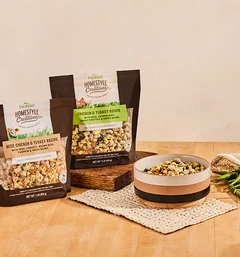
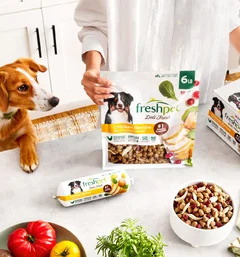
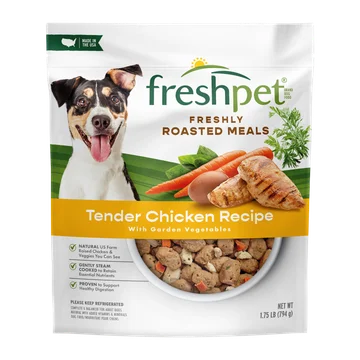
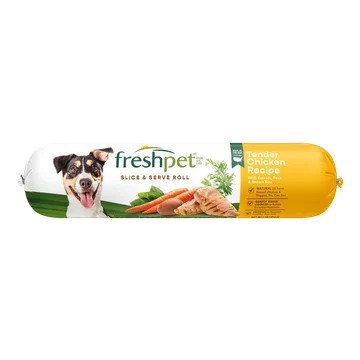
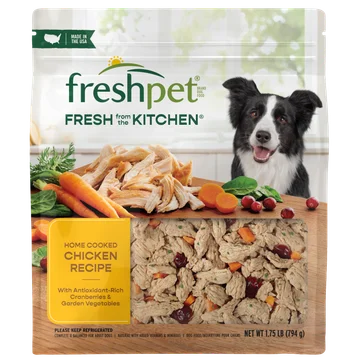
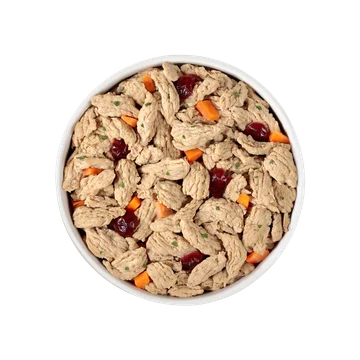
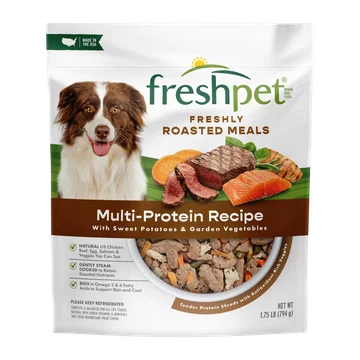
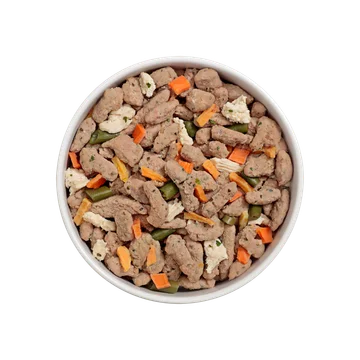
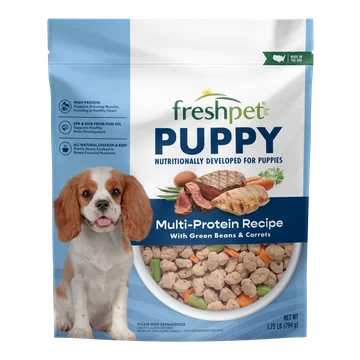
All Freshpet recipes are designed with digestibility in mind and are made with whole ingredients, high-quality proteins, and gentle cooking methods that support ideal nutrient absorption. Because every dog responds differently to specific ingredients, the most digestible option depends on your dog’s individual sensitivities, health history, and dietary needs. If your dog has ongoing digestive concerns, your veterinarian can help identify the most appropriate recipe.
All Freshpet recipes are made with highly digestible ingredients and can be appropriate for dogs experiencing occasional digestive sensitivity. Because recurring soft stool can have many causes, including food intolerances, stress, parasites, underlying medical conditions, or changes in the gut microbiome, the best recipe varies from dog to dog. If soft stool persists, consult your veterinarian to rule out underlying health concerns and determine the most appropriate diet.
Healthy stools and reduced gas are often supported by highly digestible ingredients, appropriate fiber levels, and consistent feeding routines. All Freshpet recipes are formulated with digestibility in mind and can help support digestive health when fed as part of a complete and balanced diet. Because each dog’s digestive system is unique, the ideal recipe depends on their individual tolerance, lifestyle, and nutritional needs.
For mild, short-term digestive upset, veterinarians often recommend feeding a limited ingredient, easily digestible diet for a day or two while ensuring your dog stays hydrated. Common options include boiled unseasoned boneless, skinless chicken breast and plain cooked white rice, although these homemade diets are not nutritionally complete and should only be used temporarily.
If vomiting, diarrhea, lethargy, blood in the stool, or loss of appetite persists for more than 24–48 hours, contact your veterinarian. Ongoing digestive signs can signal an underlying medical condition that requires diagnosis and treatment rather than a simple at-home diet change.
Yes. Digestive sensitivities, food intolerances, and food allergies can sometimes overlap, which is why some dogs experience both GI signs and skin issues such as itching, paw licking, recurring ear infections, or skin irritation.
Many foods designed for digestive health also emphasize highly digestible ingredients, limited ingredient lists, and omega-3 fatty acids that support skin barrier health. If your dog has both digestive and skin concerns, learn more in our guide to the best dog food for dogs with allergies and food sensitivities.
The safest way to transition a dog to a new food is gradually over 7–10 days. Start by mixing a small amount of the new food with your dog’s current food, then slowly increase the proportion of the new food while decreasing the old food each day.
A gradual transition gives your dog’s digestive system and gut microbiome time to adapt, helping reduce the risk of loose stools, gas, or digestive upset. For a detailed step-by-step plan, see our guide on how to transition your dog to a new food.

cat pet parents
Join us as we cover the fascinating reasons why cats get the "nighttime zoomies."

pet wellness
Living in an apartment with a dog? Explore simple ways to exercise your dog, keep them entertained indoors, and help them thrive in small spaces.