












written by Tori Holmes
Bringing home your first dog is a special experience. Between the snuggles, the tail wags, and the new routine, it’s easy to get swept up in the excitement of it all. But the first few months can also have their share of "I wish I had known that sooner" moments.
To help you minimize these moments, we’ve compiled a list of essential insights that all new pet parents should know.
You might imagine your days following a consistent routine: breakfast followed by a quick walk, then a mid-afternoon play session, followed by dinner and a long walk. But, in reality, it’s going to be impossible to stick to this routine day in and day out.
New pet parents often panic when their perfectly planned day falls apart, but dogs thrive on consistency, not rigidity. While they need a predictable pattern for feeding and walks, you don’t need to schedule them down to the minute. The key is to build a consistent, but flexible, routine early on.
If you vary your walk times slightly from the start, your dog won’t panic when you’re 15 minutes late. Remember, your dog mirrors your energy, so if you’re stressed about being home exactly at 5:30, they will feel that anxiety. The trick is to build a rough routine that works for both of you and stick to that each day.
Choosing the right food for your pet is a big decision. Their diet directly impacts their overall health and wellbeing but with so many options, how do you know which food is best?
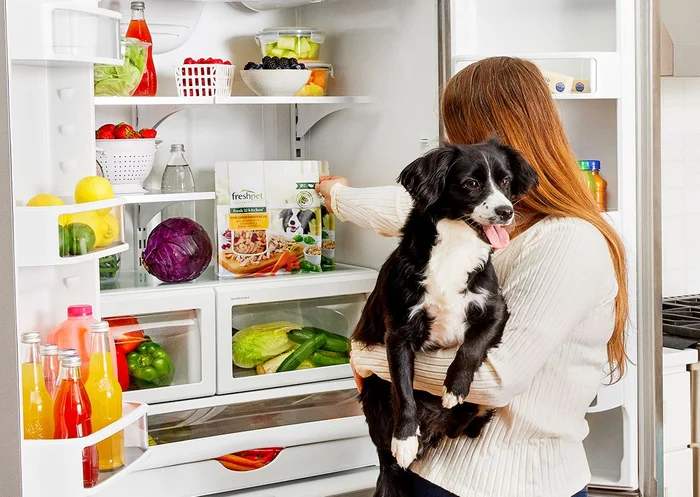
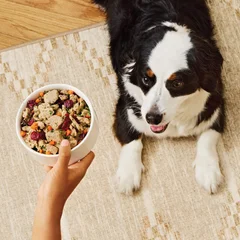
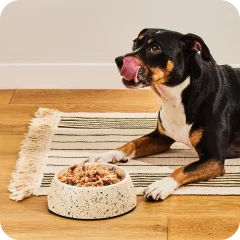
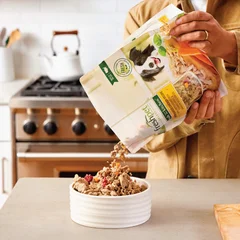
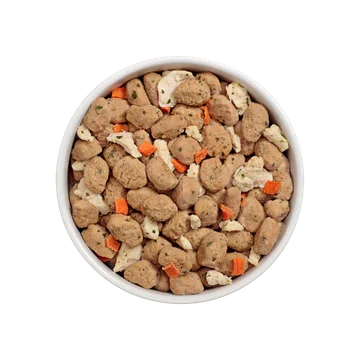
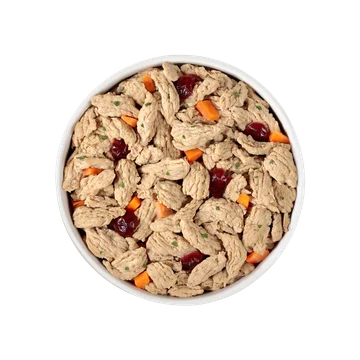
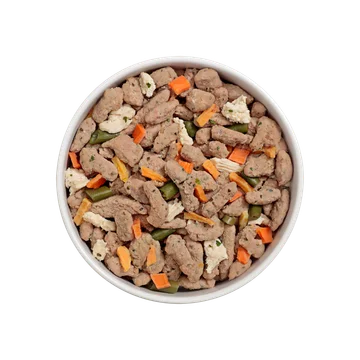
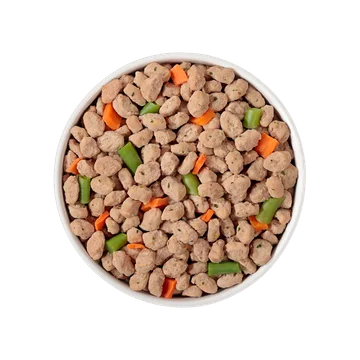
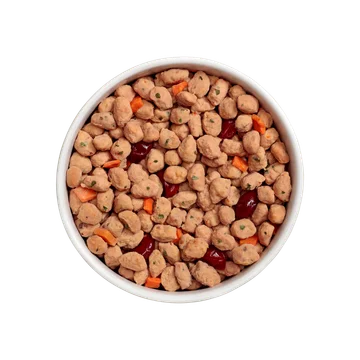
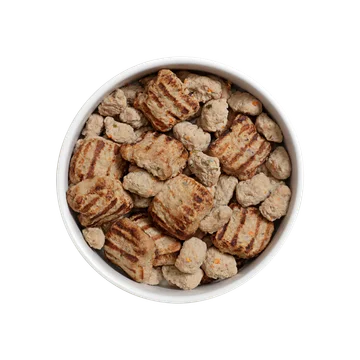
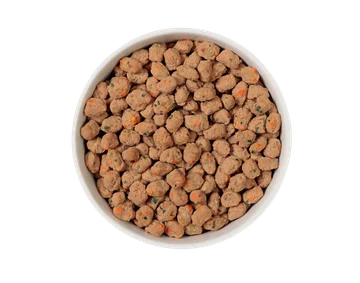
The short answer is that fresh is always best. Just as we feel better eating fresh, whole foods rather than processed meals, so do our dogs. Fresh food maintains the integrity of nutrient-dense ingredients without the preservatives and fillers found in some overprocessed options.
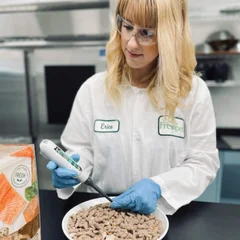
When choosing a fresh food, look for one that has high-quality protein as the number one ingredient and contains no fillers, preservatives, or artificial flavors. If you don’t know where to start, you can take the Freshpet recipe quiz to find the perfect match for your dog’s specific needs and tastes. This will take the guesswork out of mealtime, ensuring your pup gets the balanced nutrition they deserve.
Many first-time pet parents make the mistake of thinking that once their puppy’s training classes are done, the hard part is over. In reality, training isn't a one-time thing – it’s a lifelong process. Your dog needs regular practice to retain what they’ve learned and apply it successfully in new environments with new distractions.
As your dog ages, their training needs change, too. The intense, high-energy drills needed for an adolescent dog will look very different from the gentle, brain-stimulating tasks that keep a senior dog sharp. By weaving training into your daily life, such as asking for a "sit" before dinner, practicing a "wait" at the door, or playing a game of "find it", you’re not just maintaining obedience. You’re keeping their mind active and building a stronger line of communication between the two of you.
If your new pup suddenly tears around the living room like a maniac, don’t worry – this is completely normal behavior. Affectionately known as "the zoomies" or, more scientifically, Frenetic Random Activity Periods (FRAPs), these bursts of energy are simply your dog’s way of releasing pent-up excitement or tension.
You’ll usually see it in puppies and younger dogs who haven’t quite mastered the art of self-regulation, but even adult dogs can have these adorable moments. As long as they’re in a safe space where they won’t knock anything over, the best thing you can do is just sit back and let them run their course. They’ll eventually tire themselves out and collapse into a happy puddle on the rug, leaving you with a funny video to show your friends.
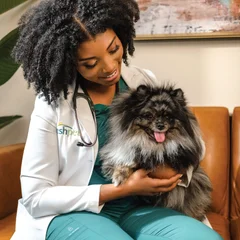
It’s easy to assume that a trip to the vet is just for vaccinations, but these early appointments are about setting a foundation for a healthy life. Within the first few days of bringing your dog home, you should schedule a check-up. Beyond the core vaccines, like Parvo and Rabies, this is the time to discuss parasite prevention and dental health, which is often overlooked by new pet parents.
This first appointment is also the perfect time to ensure your dog is microchipped. A collar can break, but a microchip is permanent – provided you register it and keep your contact information up-to-date. Plus, this initial visit gives your vet a chance to establish a healthy baseline for your dog, recording things like their normal heart rate and weight. They can then compare against these levels, making it much easier to spot potential health issues early on.
The first year of pet parenthood certainly has a learning curve, but it’s the start of a bond that makes it all worthwhile.












first-time pet parents
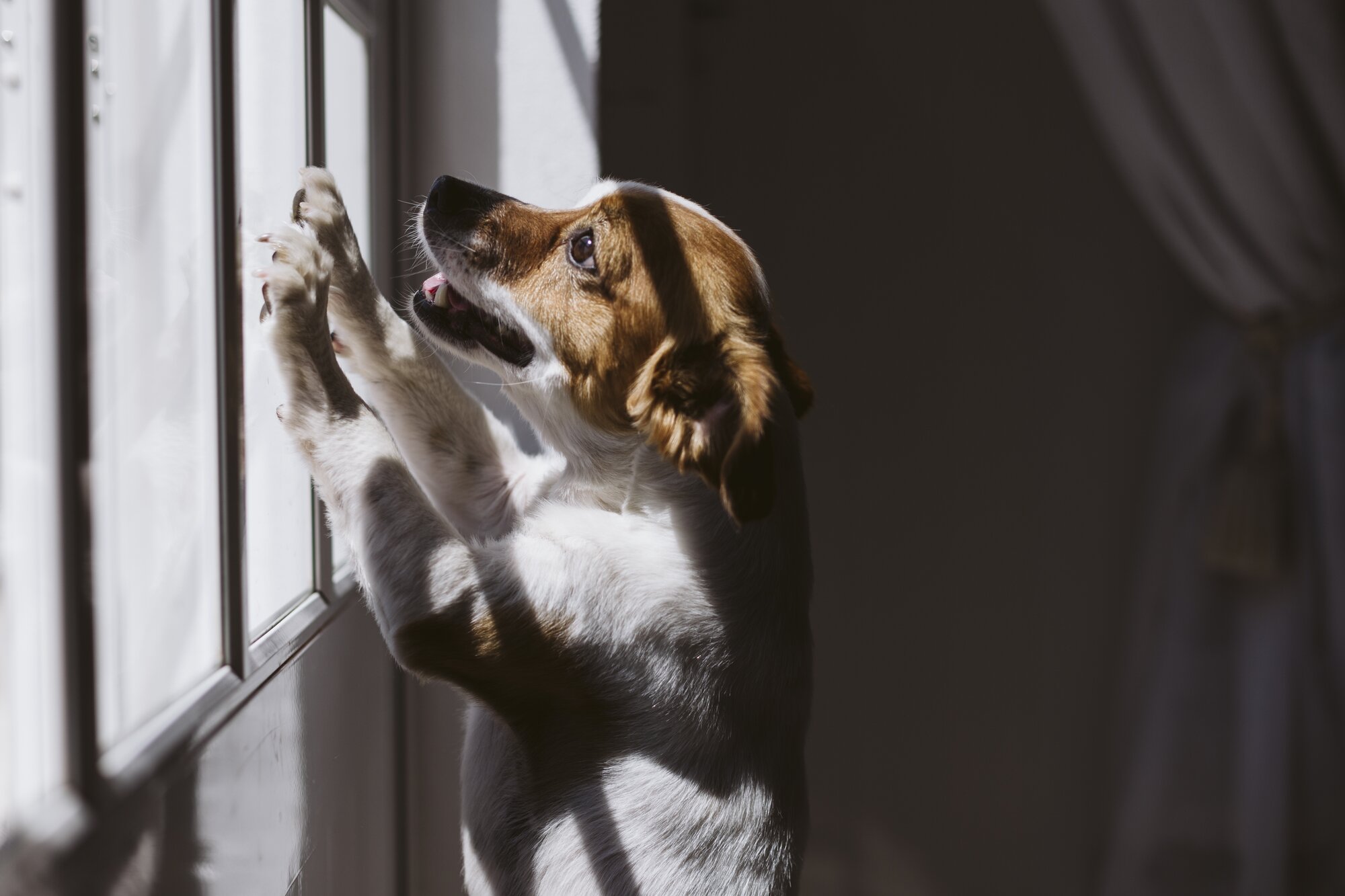
Does your dog bark or jump when guests arrive? Discover simple step-by-step training tips to teach polite greetings and calm behavior at the door.
pet wellness
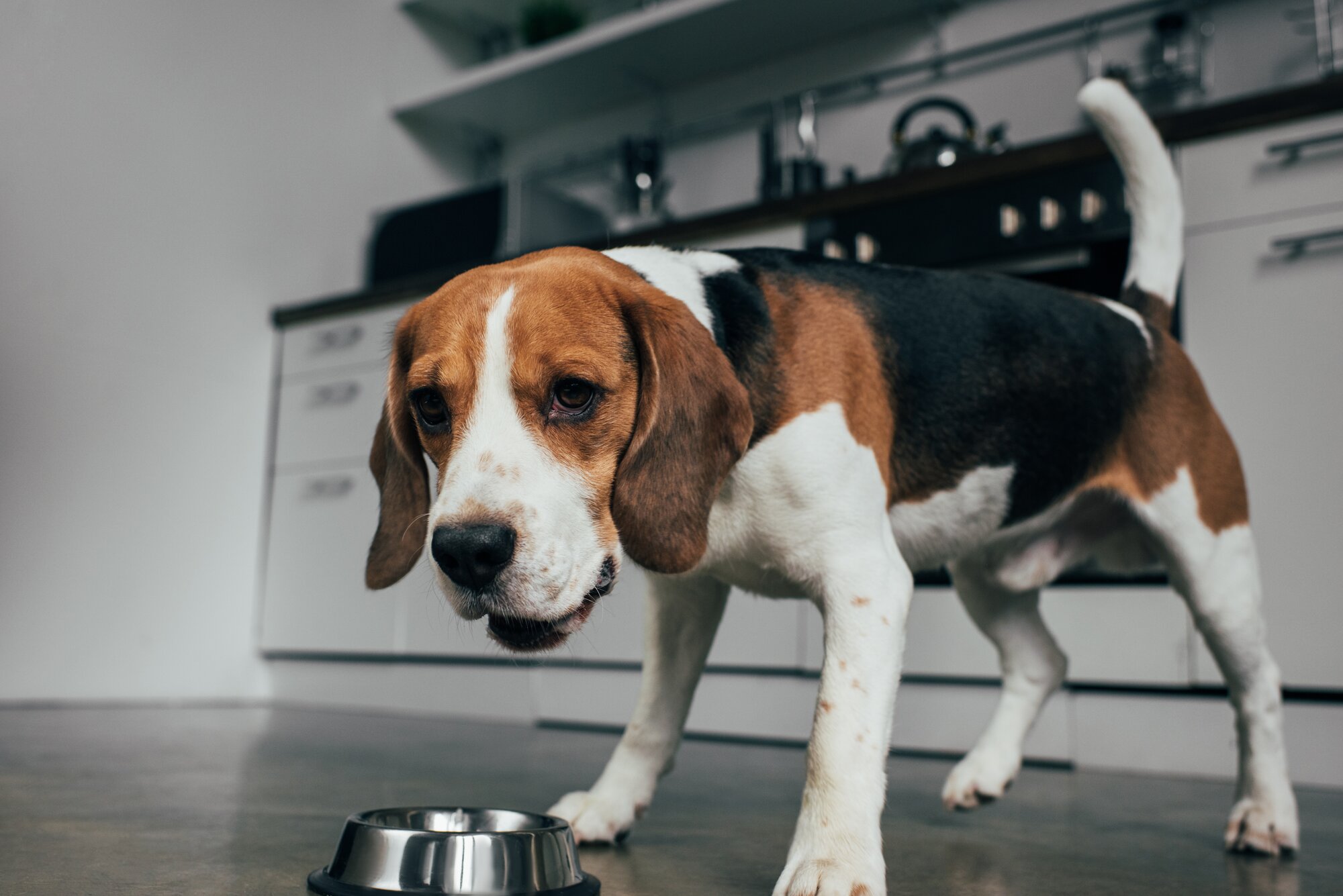
Learn how to choose the right mealtime schedule your dog can count on.