





written by Dr. Gerardo Perez-Camargo, DVM, Ph.D.
The best food for an active or high-energy dog delivers more protein for muscle repair, more usable energy from fat and carbohydrates, and enough moisture to support hydration and recovery, scaled to how hard and how often your dog works.
Whether your dog is a weekend hiker, an agility competitor, or a hard-working field dog, the fundamentals are the same. Active dogs have different nutritional needs than their less active counterparts, and providing the right nutrients is crucial for maintaining energy levels and supporting strong muscles at every life stage.
Active dogs need more protein than sedentary dogs because hard-working muscle breaks down and rebuilds constantly, and protein supplies the amino acids that repair and maintain it. Dogs that exert a lot of energy during the day need significantly more protein in their diet for a number of reasons:
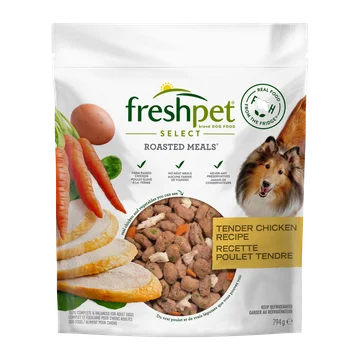
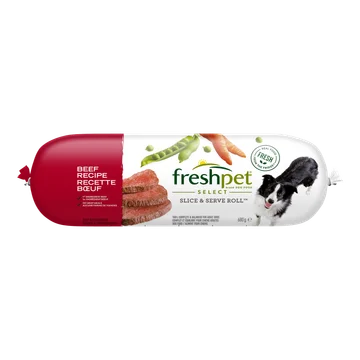
When considering protein options in your pup’s diet, look for those that are highly digestible and contain essential amino acids. Good options include chicken, turkey, beef, lamb, fish, and eggs, all of which you’ll find in our protein-rich Freshpet recipes.
Sporting and working dogs generally do best on diets providing more protein than a typical adult maintenance formula, which runs roughly 18 to 22% on a dry matter basis per AAFCO’s published nutrient profiles. As a rule of thumb, the harder and longer a dog works, the more protein they need to repair working muscle and maintain lean body condition. What matters most is protein quality: highly digestible, complete proteins from whole animal sources deliver the full range of amino acids an active dog can actually put to use.
One note when you’re label-reading: Because dry pet foods are dehydrated, their protein looks higher than in products that retain the normal moisture in the ingredients. Comparing foods on a dry matter basis, or simply asking your vet, gives you a true apples-to-apples picture.
Muscle recovery comes down to three simple things: highly digestible protein to rebuild working muscle, complex carbohydrates to help restore the glycogen that fuels activity, and water to rehydrate. A complete, balanced fresh diet covers all three with no special powders or supplements required.
This is one place fresh food has a natural edge, as a high-moisture, real-ingredient recipe delivers digestible protein and meaningful water in the same meal, supporting both the rebuilding and the rehydrating sides of recovery.
A highly active dog typically needs roughly two to five times the calories of a dog at rest, with the exact figure depending on how intense and how long the activity is. A true canine athlete in heavy training can need well over 2,000–3,500 calories a day, which is several times what a similarly sized couch companion would eat.
The clearest way to think about it is the Resting Energy Requirement (RER): the calories a dog burns just existing, before any activity. The Merck Veterinary Manual gives the standard formula veterinarians use to calculate it. You multiply that resting number by an activity factor to estimate real daily needs. A lightly active pet might sit around 1.5× their RER, while a hard-working sporting dog can reach 3–5× or more.
Quick math: RER (calories/day) ≈ 70 × (body weight in kg)0.75. A 50-lb (≈23 kg) dog has an RER of about 700 calories. In heavy training, multiplying by 3–5 puts real needs closer to 2,100–3,500 calories a day.
Because those totals climb quickly, high-energy dogs benefit from calorie- and nutrient-dense food, so they can meet their needs without eating an impractical volume at every meal. Fresh, whole-ingredient recipes help here because they pack usable energy and quality protein into a serving a working dog can comfortably finish.
Every dog is an individual, and factors like age, breed, metabolism, and even weather shift these numbers. Use the RER framework to get in the right ballpark, then let your veterinarian fine-tune the exact amount for your dog.
The best food for a very active or working dog is a calorie-dense, high-protein recipe with elevated fat, plus joint support, built from highly digestible whole-food ingredients. Cornell University’s Riney Canine Health Center notes that fat needs scale with the type of work a dog does, running higher for sprinting and agility and highest of all for true endurance dogs like sled dogs. Working and sporting dogs aren’t simply active dogs that move a little more; their bodies handle sustained energy demands, physical impact, and recovery differently, and their food should reflect that.
Three things set working-dog nutrition apart from everyday active-dog nutrition:
| Everyday active dog | Hard-working / sporting dog | |
|---|---|---|
| Protein | Moderately high, quality-focused | 26–30%+ (dry matter basis), more for harder/longer work |
| Fat | Standard | Elevated (16–20%+ dry matter basis), scaling higher for true endurance work |
| Calories | ~1.5–2× resting needs | ~3–5× resting needs |
| Joint support | Helpful | Important under repeated high impact |
| Food format | High-moisture, digestible | High-moisture, calorie-dense, digestible |
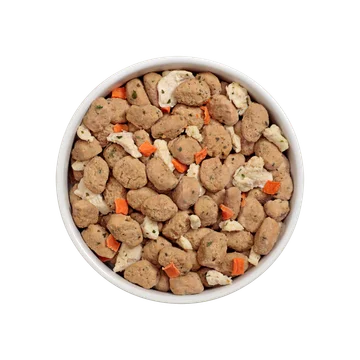
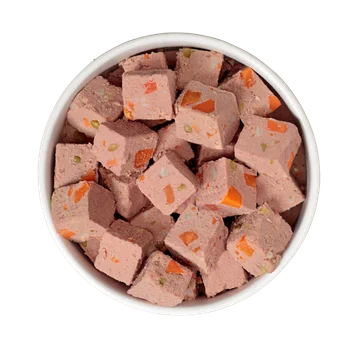
Freshpet’s real-meat, high-moisture recipes fit this profile well, delivering concentrated, highly digestible nutrition with the quality protein and moisture a working dog draws on during and after hard effort.
Fat is the primary source of sustained energy for hard-working dogs, which is why performance diets run higher in fat than everyday maintenance food. According to Cornell’s Riney Canine Health Center, exactly how much higher depends on the type of work: sprinting and agility dogs need a moderate increase, while true endurance dogs like sled dogs can require dramatically more fat than a typical performance diet. Feeding enough quality fat gives an endurance dog a steady, efficient fuel source to work from.
Dogs doing repetitive, high-impact work benefit from joint-supporting nutrients such as glucosamine and omega-3 fatty acids like EPA and DHA, which help support joint comfort and healthy movement under load. Some Freshpet recipes are formulated with joint and mobility support in mind, including the Big Bites Multi-Protein Recipe featured below, a strong fit for large, hard-working breeds.
While protein plays a big role in an active dog’s diet, we can’t forget the importance of other essential nutrients like carbohydrates, vitamins, minerals, and water.
We’re excited to offer six different Freshpet recipes designed specifically for dogs that require a high level of protein in their diet—protein-rich, high-moisture meals that fit the active, working, and high-energy profiles described above. We even have recipes tailored to large breeds, small breeds, and pups that need grain-free diets!
Meeting the nutritional needs of active dogs is crucial for helping them live their happiest lives. If you have any further questions on how you can fuel your active pup’s lifestyle, schedule a call with their vet. They’ll be able to help you put together a diet that meets all of their nutritional needs!
Roughly two to five times a resting dog’s calorie needs, often in the range of 40–80 calories per pound of body weight per day, depending on how hard and how long the dog works. The top of that range is reserved for elite canine athletes in heavy training; most active pet dogs need less. Calorie-dense food helps high-energy dogs meet their needs without eating an unmanageable volume, and your veterinarian can fine-tune the exact amount for your dog.
Yes. Working and sporting dogs generally do best on higher-protein recipes—roughly 26–30% or more on a dry matter basis—with elevated fat for endurance and joint support for high-impact work. As always, protein quality matters as much as quantity, so look for highly digestible, complete proteins from whole animal sources.
Freshpet recipes are about 72% moisture, compared to the roughly 10% moisture AAFCO uses as its standard reference point for dry kibble, so every meal contributes meaningfully to a hard-working dog’s daily water intake.

dog nutrition & feeding
Learn how to feed Freshpet on the go with pre-portioned meals, the right cooler, must-have supplies, and safe storage tips for fresh, healthy travel feeding.

dog nutrition and feeding
Understanding pet food labels can be tricky. Freshpet's Dr. Aziza simplifies it, showing how good ingredients benefit your pet's health and happiness.