





written by Tori Holmes
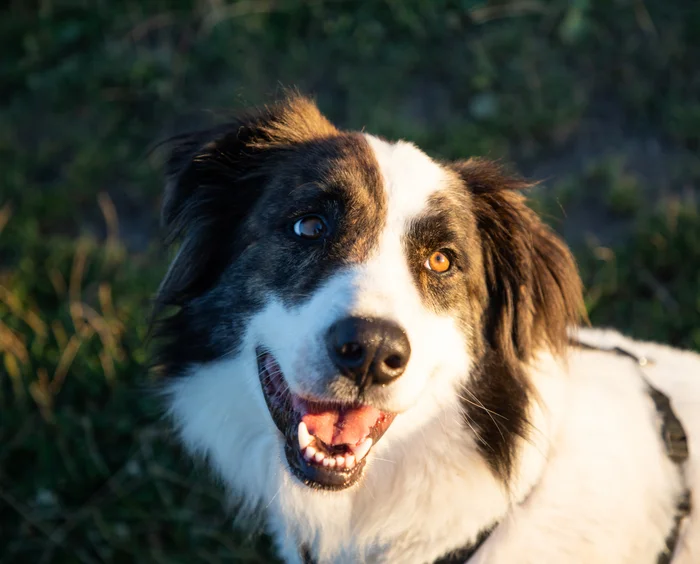
Have you ever found your dog waiting expectantly by the door right at the time you normally go for a walk or nudging your hand for breakfast the second you wake up? This isn’t just cute behavior – it’s a sign of how much your dog relies on routine. While those moments might seem small to you, to your dog, they serve as anchors that help them make sense of their whole day.
Dogs love routine because it provides emotional security, reduces anxiety, and helps them understand what to expect from their day. In an unpredictable human world, consistent daily rituals give your dog a sense of control and calm.
Dogs might not be able to tell time, but their internal clocks are astonishingly precise. As descendants of wild canines who followed predictable hunting and sleeping patterns, modern dogs thrive on predictability.
A consistent schedule lowers cortisol – the stress hormone – and boosts serotonin and dopamine. That's because predictability allows their nervous system to stay balanced, rather than constantly bracing for an unexpected change. An unpredictable daily routine, on the other hand, can leave dogs in a low-grade state of stress, even if nothing outwardly "bad" happens. Put simply, when a dog knows what comes next, they feel safe and calm.
Routine also supports your dog's biological functions. Predictable feeding and outdoor times regulate their metabolism, digestion, and bathroom habits — keeping their body as balanced as their mind. And because dogs are pack animals by ancestry, a structured daily rhythm helps them understand household rules, improving self-control and making them more receptive to training.
A routine doesn’t have to be elaborate for it to be important to your dog – you might already be performing little rituals without realizing how powerful they are.
● Morning pets: That first wake-up ear scratch or belly rub sets a peaceful tone for your dog’s day. These calm greetings help your dog wake up gently, without a sudden spike of excitement, which is important to avoid with dogs who are nervous or excitable.
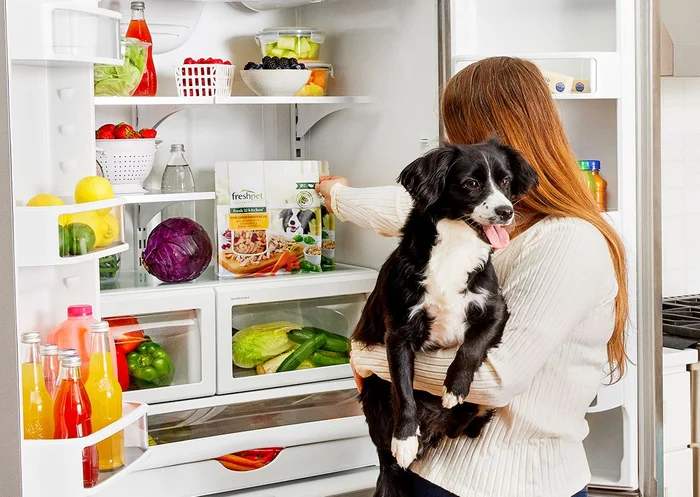
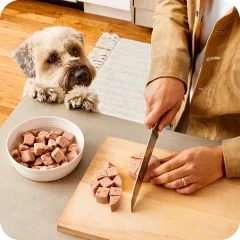
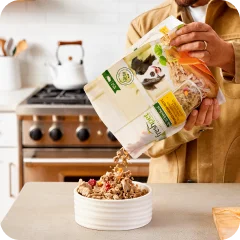
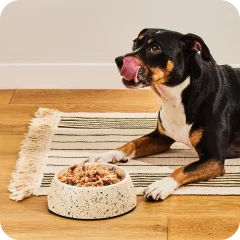
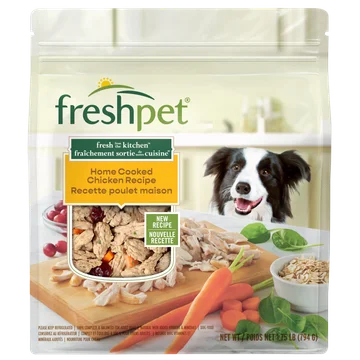
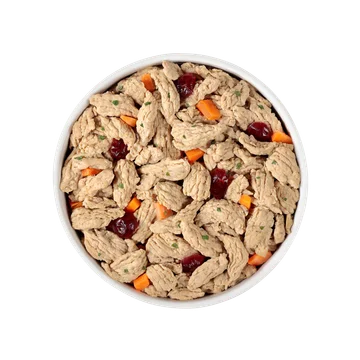
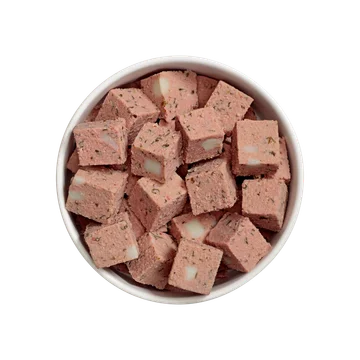
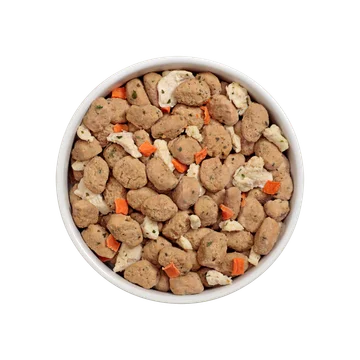
● Mealtime: Dogs need to know when their next meal is coming. Having mealtime at the same time and place every day helps them regulate their digestion and reduces food-related anxiety or begging. Dogs also love to work for their food, so it’s a good idea to serve them their Freshpet meals using a snuffle mat or puzzle feeder. This act of "hunting" taps into their instincts and mentally tires them out.
● Walks: It can be tempting to rush your dog’s walk, particularly if the weather is inclement, but that time outdoors serves as their news source and keeps their mind engaged. Unlike humans, dogs process the world primarily through scent. Each sniff they take on their walk gives them critical information about who has been in the neighborhood and what has been going on. The more time you give your dog to sniff, the more their mind is activated. This type of mental stimulation tires them out more effectively than physical exercise alone, while also lowering their stress levels.
● Snuggle time: Whether it's a post-dinner cuddle on the couch or a midday lap nap, physical touch releases oxytocin in both you and your dog. This bonding hormone lowers your dog's heart rate and reduces feelings of stress or loneliness – which is especially important for dogs who spend part of the day home alone. Regular, gentle touch also reinforces that you are a source of comfort, helping your dog feel more secure.
● Bedtime routine: A consistent bedtime routine is important for dogs because it gives their brain a clear signal that the day is ending. This predictability lowers nighttime anxiety and reduces restless behaviors like pacing or whining. As a result, your pup will be calmer and sleep better.
Regardless of what your daily routine entails, what matters to your dog is simply that you show up consistently.
To take your daily rituals to the next level, consider trying the following:
● Create a tasty goodbye ritual: Right before you leave the house, give your dog a special treat they only get at that moment. For instance, you could offer them a lick mat covered in their favorite Freshpet roll or a Kong stuffed with Freshpet treats. This gives your dog something positive to focus on as you walk out the door and can reduce separation anxiety and boredom while you're away.
● Allow a full minute for sniffing each walk: During your daily walks, allow your dog to sniff a new area completely uninterrupted for at least 60 seconds. During this time, keep their leash loose and let them follow their nose, wherever it takes them. This minute of total sniffing freedom will give their brain a boost and turn an ordinary walk into something they'll look forward to every day.
● Be consistent, not rigid: Your dog doesn't need meals or walks at the exact same minute every day. What is important is that the sequence of events is consistent each time. This consistency helps your dog feel secure even if the timing shifts a little, which reduces anxiety and prevents the confusion or frustration that can come from unpredictable transitions.
Your dog values predictable, everyday interactions with you more than they care about having a bigger yard or fancier toys. These small, repeated rituals strengthen the connection you two share and help ensure your dog is living their best tail-wagging life.





pet wellness
Make bath time enjoyable for both you and your furry friend.
fun with pets
From color vision to tail wags to swimming ability, we debunk five common dog myths. Read on to better understand your dog's real needs and behavior.