





Skip to navigationSkip to main contentSkip to footer

popular searches

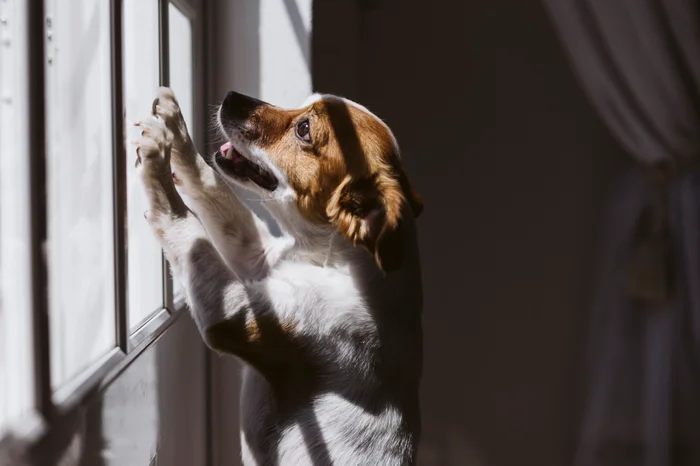
Jack russell dog standing on two legs and looking away by window
first-time pet parents

How to Teach Your Dog to Greet Guests Politely

written by Tori Holmes

Few things are more exciting for a dog than the sound of the doorbell and the arrival of a new guest.

While their enthusiasm is endearing, jumping, barking, and overexcitement can make greetings stressful for both your dog and visitors. This makes teaching your pup to greet guests politely an essential part of their training so you can always ensure a calm, welcoming environment.

Why do dogs get overexcited when guests arrive?

Dogs are social animals, which makes the arrival of a new person a big event. There are many reasons why dogs get overexcited when the doorbell rings or guests arrive, but some of the most common are:

  • Natural excitement: This instinctive enthusiasm is their way of showing affection and curiosity, but without boundaries, it can quickly become overwhelming for guests.
  • Incorrect training: Dogs default to what’s been reinforced in the past, so if jumping has gotten them attention before, they’ll assume it’s the right approach.
  • Unintentional reinforcement: Dogs see scolding or pushing away as engagement, which accidentally rewards the behavior.
  • Anxiety or stress: This behavior can be a coping mechanism to manage their nerves or create space from strangers.

The key is redirecting that energy into calm, controlled behavior through targeted training.
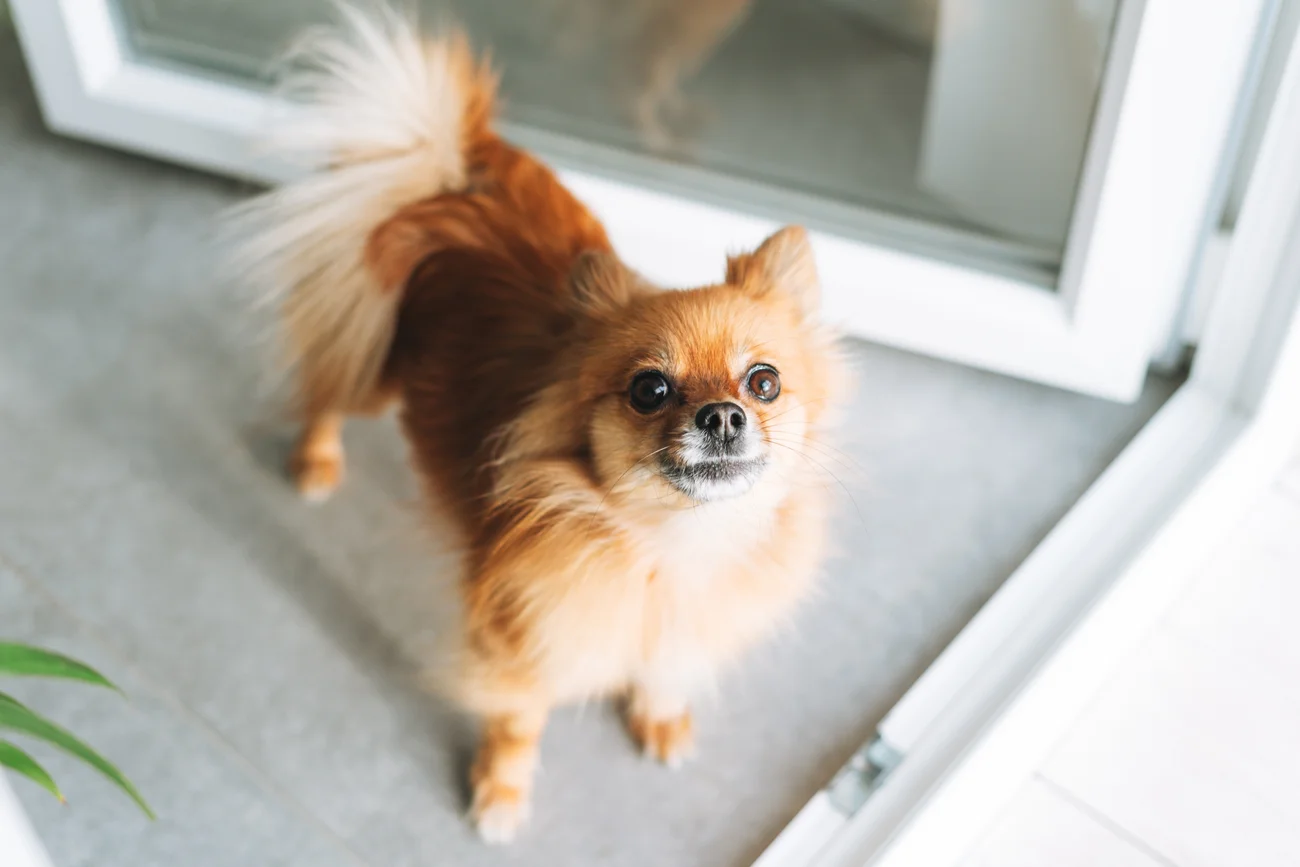

  • Pomeranian dog sitting at a door

How to train your dog to greet guests politely

While your dog’s enthusiastic welcome might seem harmless, uncontrolled jumping, barking, or rushing the door can be overwhelming for everyone. The good news is that with the right training, you can teach your dog to greet people calmly without eliminating their excitement altogether.

  • Master basic commands first: Before tackling door greetings, ensure your dog reliably responds to sit, stay, and leave it. When used together, these commands help prevent jumping, teach impulse control, and redirect attention from your guests. When your dog responds successfully, you can reward them with their favorite Freshpet treats.
  • Create a calm greeting routine: Instead of allowing chaos at the door, train your dog to engage in an alternative behavior. For instance, you can teach them to settle in a designated spot, such as their bed, or reward them for sitting politely with all four paws on the ground. Some dogs can benefit from holding a toy when they’re excited as it gives them an appropriate outlet for their energy.
  • Gradually introduce distractions: Once your pup has mastered its basic commands and you’ve created a calm greeting routine, you can start with low-pressure introductions. Start by inviting family members or friends that your dog knows well and if they keep their cool, try again with neighbors or people with which they are less familiar. With consistent practice, your dog will be able to politely greet anyone they meet.
  • Manage the environment: If needed, you can set boundaries during introductions to prevent bad habits. When guests arrive, you can use a leash or baby gate to control your dog’s access to the door and ask your guests to ignore the dog – no eye contact or petting – if they are jumping or barking. If your dog jumps, guests should immediately turn their back or step away, which teaches your dog that jumping makes the reward disappear. Additionally, you can also keep initial greetings short to avoid overstimulation.
  • Reinforce consistently: When training, be sure to reward your dog with praise and their favorite treat or Freshpet recipe every time your dog greets guests politely. Once they are consistently calm with new arrivals, you can slowly phase our treats and switch to intermittent rewards. Keep in mind that most dogs will require weeks or even months of practice before they master a calm greeting.

If you notice your dog slipping into old habits and getting too excited with your guests, take a step back. Continue to practice with less “exciting” guests, like your friends and family, and don’t be afraid to keep them leashed during introductions.

Above all, do your best to stay patient. Training takes time and consistency is the key. If you do this your dog will eventually get the hang of it. Teaching your dog to greet guests politely takes effort, but the payoff – a well-mannered pup and stress-free visits – is worth it!

Frequently Asked Questions

Should I put my dog away when guests arrive?

Not necessarily. While it can help in the early stages of training, the goal is to teach your dog to stay calm with guests present. Using a leash or baby gate is a better middle ground as it keeps your dog involved without giving them free rein.

Does exercise help before guests arrive?

Yes. A walk or play session before guests arrive can lower your dog's baseline excitement, making it easier for them to settle when the doorbell rings.

At what age should I start training my dog to greet guests politely?

The earlier the better. Puppies are most receptive to new behaviors, but older dogs can absolutely learn too. The training approach is the same regardless of age.



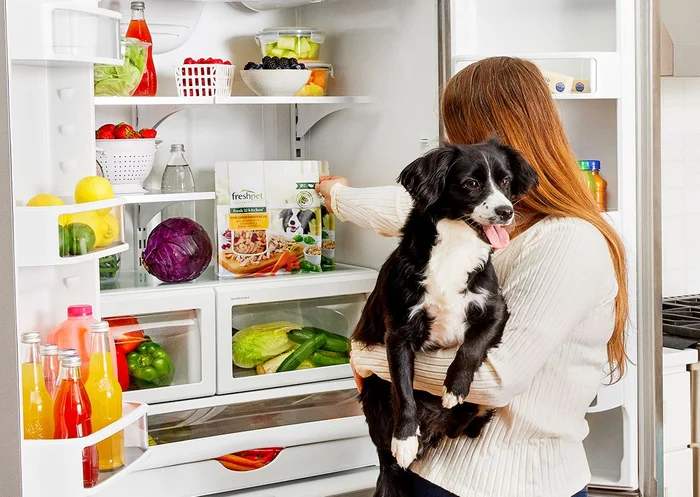
A person holding a black and white dog reaching for a Freshpet recipe.

find a fridge near you