
















written by Tori Holmes
Have you ever had your dog do something they shouldn’t – like chew a shoe or dig through the garbage can – only to follow up with what seems like a distinctly ‘guilty’ expression when you catch them? If this sounds familiar, you may be wondering if your dog actually feels guilty. To answer this, let’s explore the truth behind dogs’ famous guilty look.
Many pet parents believe that our dogs possess a moral compass similar to ours, but research tells a different story. Studies have shown that what we interpret as guilt is actually a learned submissive behavior influenced directly by our reactions.
Dogs display that guilty look in response to their human's body language and tone – even if they've done nothing wrong. Because dogs are remarkably attuned to how we feel, this guilty expression is connected to your pup being sad that you're mad at them, more than feeling remorse over their actions. What is the purpose of the guilty expression?
If they’re not feeling guilty, then why do our dogs give us such a convincing guilty look? That guilty-looking expression and body language are actually your dog’s way of trying to appease you. Dogs dislike conflict, so they will try to defuse a situation they perceive as tense or threatening. Common appeasement behaviors include:
It’s important to remember that these behaviors are not admissions of guilt. They are your dog’s way of acknowledging that you’re upset and trying to show they mean no harm.
While we can’t know for sure, researchers agree that dogs are not capable of complex, secondary emotions, like guilt, in the same way humans are. Instead, they experience more primary emotions like:
This is because feelings of guilt require a moral framework and an understanding of social norms that dogs simply don't possess.
Punishing your dog for a misdeed they did hours ago is pointless because they will not make the connection between your anger and their past actions. Here’s what actually happens when you scold your dog after the fact:
The only thing a dog learns from punishment after the fact is to fear and avoid the person delivering it, not that the action that caused the punishment was the problem.
The next time you find out that your dog has done something naughty while you weren’t around, try taking this more positive approach:
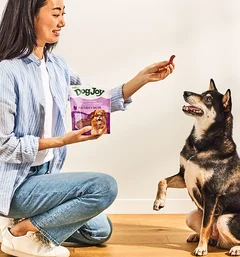
In general, the most effective way to teach a dog is through positive reinforcement. Whenever possible, reward them with healthy, fresh treats for the behaviors that you want to see and ignore the ones that you don’t. And remember, if you catch your pup giving you a guilty look, this isn’t an admission of guilt – it’s a reaction to your own behavior.

















cat pet parents
Join us as we cover the fascinating reasons why cats get the "nighttime zoomies."

pet wellness
Living in an apartment with a dog? Explore simple ways to exercise your dog, keep them entertained indoors, and help them thrive in small spaces.