





written by Dr. Gerardo Perez-Camargo, DVM, Ph.D.
If your dog turns their nose up at meals, fresh, real-meat food is one of the most reliable ways to win them over, and this guide covers why it works, how to get a hesitant dog eating, and when a change in appetite is worth a vet visit.
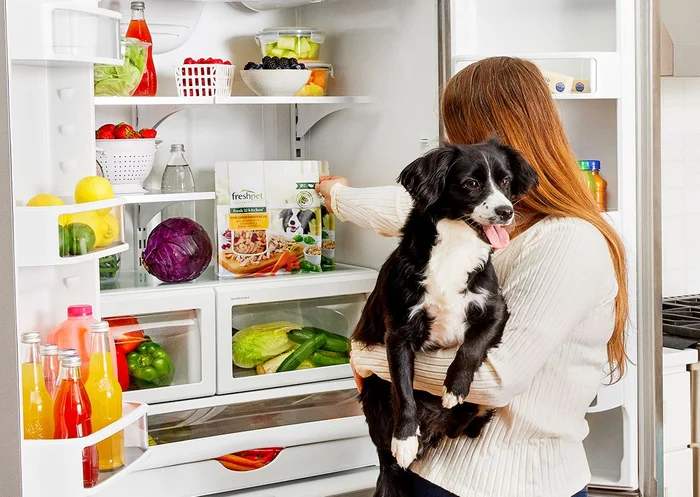
Often, a dog’s pickiness isn’t about being stubborn. Dry kibble can be bland and overly processed, which makes it hard for dogs to get excited about. That’s where fresh food comes in, and it’s a game-changer for finicky pups.
Below, we’ll cover why fresh food wins over fussy eaters, practical tactics to get a hesitant dog to eat, what’s safe to add to their bowl, and when a change in appetite is worth a call to your vet.
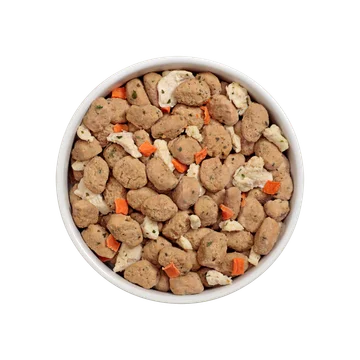
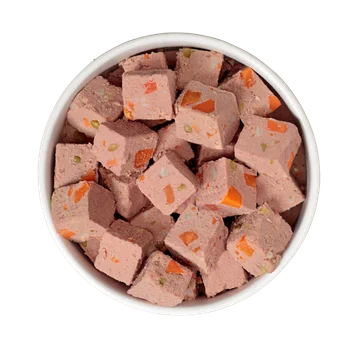
Fresh, moisture-rich dog food benefits picky eaters through stronger aroma, softer texture, and gentler digestion. Real, gently cooked ingredients retain natural smells and flavors that dry kibble loses in processing, making meals more enticing to a dog’s sense of smell and easier to eat and digest.
Think about the difference between a crisp, fresh apple and a dehydrated apple chip. Both are apples, but the experience of eating them is completely different. The same goes for your dog’s food; there’s more to enjoy when eating a meal that is fresh.
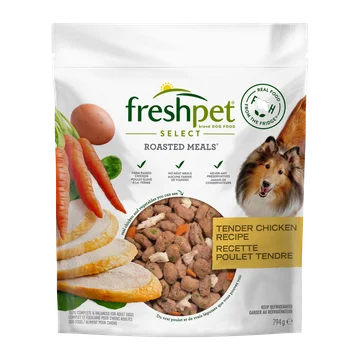
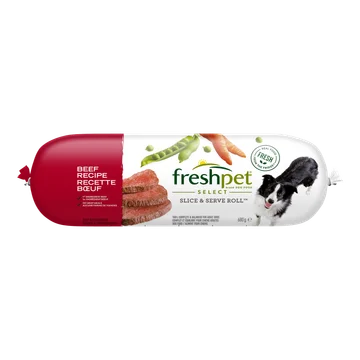
If your picky eater doesn’t seem to be enjoying their meals, consider making the switch to Freshpet. We have a wide variety of recipes and formats, so even the pickiest eater can find something to enjoy.
Yes. Fresh, gently cooked food is one of the most reliable ways to spark a picky dog’s interest, because it holds onto the natural aroma, moisture, and flavor that heavily processed kibble loses.
For a fussy but healthy dog, that sensory upgrade is often the difference between a sniff-and-walk-away and a cleaned bowl. Three things drive the effect:
One honest caveat: While a fresh diet reliably tempts a fussy but otherwise healthy dog, a sudden or complete loss of appetite is different. It can signal a health issue rather than simple pickiness, and it’s worth a conversation with your vet (more on that below).
The best food for a picky dog depends on their individual preferences and needs, but a protein-rich, aromatic recipe with real, recognizable ingredients works for most fussy eaters. Freshpet offers four recipes built around different proteins and needs, from gentle chicken to novel proteins for dogs with allergies.
Not all picky eaters are the same. Some prefer chicken that is gentle on their stomach, others go crazy for all things beef, and some need a novel protein to help with allergies. Here’s a breakdown of the top Freshpet recipes and which pup each one is perfect for.
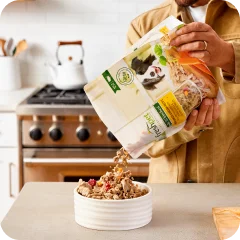
When you’ve found a recipe your dog will enjoy, transitioning to it should be done gradually over 7-10 days. Start by mixing a small amount of Freshpet with your dog’s current food and slowly increasing the proportion of Freshpet each day. This helps prevent digestive upset and allows your dog to adjust to the new flavors.
Finding the right recipe might take a little trial and error, but the joy of seeing your dog finally clean their bowl is worth it!
To get a picky dog to eat, make meals more aromatic and enticing, feed on a consistent schedule, and avoid reinforcing the pickiness with a steady stream of treats or table scraps. How and when you feed often matters as much as what’s in the bowl.
Proven tactics to try:
Because aroma and texture do so much of the work, a fresh, real-meat recipe is often the single most effective upgrade—but these tactics help with any food.
If you want to make a meal more tempting tonight, a few safe, appealing add-ins can help: a spoonful of fresh food as a topper, a drizzle of low-sodium bone broth, a scoop of plain canned pumpkin (not pie filling), or a little lightly cooked, unseasoned lean meat.
A quick safety note: Skip anything with onion, garlic, or heavy salt and seasoning, all of which are unsafe for dogs. Keep toppers simple and unseasoned.
And if you find yourself doctoring the bowl every single day just to get your dog to eat, that’s often a sign it’s time to switch to a fresh recipe they genuinely enjoy. Fresh food is simpler than topping kibble meal after meal, and complete and balanced on its own.
A sudden change in appetite can be ordinary pickiness or a passing preference shift, but it can also be an early sign that a dog isn’t feeling well, so it’s worth paying attention to. The good news is that the difference is usually easy to read.
If your dog is otherwise bright, active, and still drinking water, and simply seems to be holding out for something tastier, that’s most likely pickiness. But contact your veterinarian promptly if the refusal comes alongside any of these signs. The American Veterinary Medical Association lists several of these, including difficulty breathing, repeated vomiting or diarrhea, and refusal to drink for 24 hours or more, among the emergencies that always call for immediate care.
As a general rule, a healthy adult dog skipping a meal or two can be monitored for a short time, but a refusal to eat that lasts beyond a day or two—or that comes with any of the signs above—warrants a vet visit. When in doubt, call; your vet can help you tell the difference.
Once a health issue has been ruled out, fresh, aromatic food is one of the most reliable ways to re-interest a genuinely picky dog in their meals.
For picky dogs, veterinarians generally recommend highly palatable, complete-and-balanced diets—often fresh or gently cooked recipes made with real, recognizable ingredients and a strong natural aroma—along with safe toppers or a slow, deliberate transition for dogs that need extra encouragement.
Here’s what vets tend to look for in a picky-eater diet:
Freshpet’s fresh, real-meat recipes fit that profile: palatable and aromatic, complete and balanced, and made with recognizable ingredients. And because a persistently picky or off-food dog can occasionally have an underlying issue, any significant diet change for one of these dogs is worth running by your vet first.
Yes. Fresh, gently cooked food is more aromatic, higher in moisture, and softer in texture than kibble, which makes it more enticing for fussy dogs. Fresh recipes typically run around 65–75% moisture versus roughly 10% for dry food, per AAFCO pet food moisture standards, giving them the smell and mouthfeel many picky eaters prefer.
An otherwise healthy adult dog that’s bright, active, and still drinking water can usually be monitored for a short period. But a refusal to eat that lasts beyond a day or two—or that comes with other symptoms like lethargy, vomiting, or not drinking—warrants a vet visit. Puppies, small breeds, and dogs with existing health conditions should be seen sooner, so check with your vet if you’re unsure.
Safe additions include a spoonful of fresh food, a drizzle of low-sodium bone broth, or a scoop of plain canned pumpkin. Avoid onion, garlic, and heavy salt or seasoning, which are unsafe for dogs. Keep any topper simple and unseasoned.
pet wellness
Keep your dog safe and cool all summer long. Get 4 practical tips on hydration, safe walk times, exercise limits, and hot car dangers to watch for.

pet wellness
Learn important tips to ensure your dog is safe while traveling in the car.