









written by Dr. Lisa Weeth, DVM, DACVIM (Nutrition)
The best food for a dog with joint pain or arthritis supports three things: a lean, healthy body weight; omega-3 fatty acids (EPA and DHA) to help reduce inflammation; and nutrients like glucosamine and chondroitin that can help the body create the spongy cushion of the joint. Food is an important part of a vet-guided plan, and the good news is that there’s a great deal you can do to help.
Below, we’ll walk through what arthritis actually is, why your dog’s weight matters more than most owners realize, the specific nutrients that support healthy joints, and how to choose a food for a dog with joint pain, hip dysplasia, or the stiffness that can come with age. First, a reframe that changes everything: Arthritis is far more common than most people think, and it often begins developing years before that first limp or stiff morning, which is exactly why understanding it early matters so much.
Arthritis in dogs, also called osteoarthritis by your vet, develops when the cartilage and cushiony fluid within the joint gradually breaks down. As that protective shock-absorbing layer wears away, the ends of the bones begin to rub against one another, producing pain, inflammation, and ultimately causing remodeling of the bone that causes stiffness and reduced movement of the joint.
Several factors drive that breakdown:
Arthritis is often assumed to be an unavoidable part of old age, but that picture is incomplete. Osteoarthritis is one of the most common conditions veterinarians diagnose: according to VCA Animal Hospitals, it affects at least 20% of all dogs over one year old, climbing to around 80% of dogs over eight. Just as importantly, it frequently begins developing long before an owner notices a single symptom, with early joint changes sometimes detectable on x-rays in dogs still in their first few years of life.
That’s the reason to act early. The sooner you support your dog’s joints, the more of a difference it can make.
Yes, and more than most owners realize. Your dog’s weight affects their joints in two distinct ways.
Even modest excess weight matters here, which is also encouraging because it means a lot is within your control. Keeping your dog at a healthy lean body weight is the single most impactful thing you can do for your dog’s joints. None of this is about blame; weight creeps up easily and is extremely common. A dog eating even 10 extra calories a day for one year can gain 1lb. If you have a 50 lb dog, that may not be noticeable, but for a 5lb dog that will be. Maintaining your dog at a lean body condition is simply the highest-leverage lever you have. If your dog is carrying extra weight, our guide to helping your dog reach a healthy weight walks through how to do it safely.
Early signs of joint pain are often subtle changes in behavior rather than obvious limping. Dogs are experts at hiding discomfort, so the first clues tend to be small and easy to write off as “just getting older.”
Early signs to watch for:
Because these signs are easy to miss and dogs instinctively mask pain, a veterinary exam is the right next step if you notice any of them. Your vet can confirm what’s going on and help you start a plan early, when it can do the most good.
The most researched joint-supporting nutrients are the long-chain omega-3 fatty acids EPA and DHA, which act to reduce inflammation naturally, and glucosamine and chondroitin, which may help stimulate the joint cells, also called chondrocytes, to make more cartilage and cushiony joint fluid.
Here’s what each one does:
Beyond the core three, a few other nutrients are associated with joint support: green-lipped mussel (a natural source of glucosamine, chondroitin, and omega-3s all in one), MSM (a sulfur-containing compound that supports chondrocyte health), hyaluronic acid (a structural component of joint fluid), and manganese (an essential mineral involved in cartilage formation).
These nutrients support joint health as part of a complete and balanced diet. No single ingredient is a treatment on its own.
| Nutrient | What it does |
|---|---|
| Glucosamine | Building block that supports cartilage production |
| Chondroitin | Supports cartilage structure |
| Omega-3s (EPA & DHA) | Naturally reduce inflammation |
| Green-lipped mussel | Natural source of all three |
| MSM, hyaluronic acid, manganese | Additional joint-support nutrients |
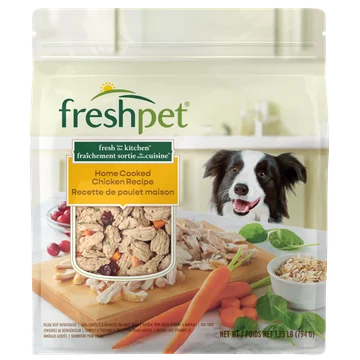
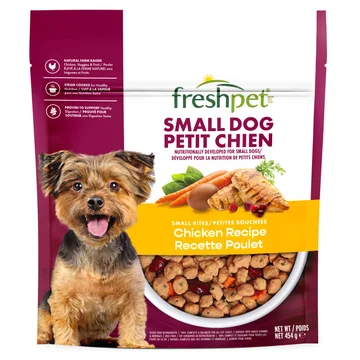
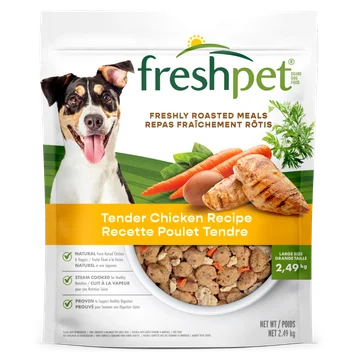
On an ingredients-present basis, Freshpet’s Vital® Benefits Joint Health & Mobility recipe is one fresh food that contains glucosamine, chondroitin, and omega-3s.
For a dog with hip dysplasia, the dietary priorities are the same core three—maintain a lean body weight to reduce stress on the affected joint, provide omega-3s (EPA and DHA), and include cartilage-supporting glucosamine and chondroitin—plus high-quality protein to maintain the muscle that helps stabilize the hip.
Hip dysplasia is a developmental malformation of the “ball-and-socket” joint of the hip where the “socket” of the hip is too shallow and the “ball” at the end of the femur (leg bone) is unable to stay in place. It is always genetic in dogs and most common in larger breeds, but not all dogs with hip dysplasia genes will go on to develop overt arthritis. If dogs with hip dysplasia grow too quickly as puppies and carry excess body weight as adults, that abnormal joint position causes changes to the femoral head and ultimately osteoarthritis occurs.
It’s worth being clear that hip dysplasia is monitored and managed under veterinary guidance, and diet is one supportive piece of a larger plan. Your vet may combine weight management and targeted nutrition and medical therapies tailored to your dog.
To choose food for a dog with joint pain, prioritize a complete and balanced diet that helps maintain a lean body weight and includes joint-supporting nutrients, like omega-3s (EPA and DHA), glucosamine, and chondroitin, from quality ingredients. Your primary care veterinarian can help you find the right food for your dog.
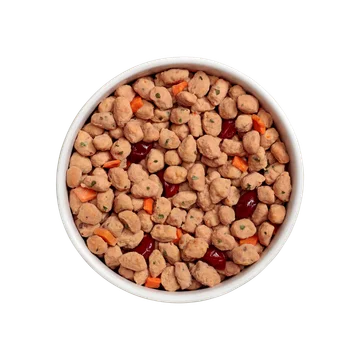
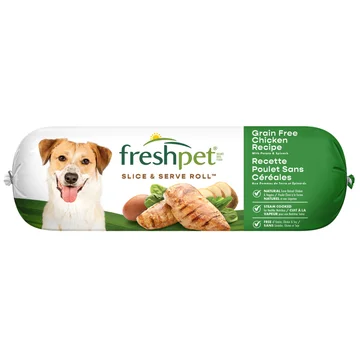
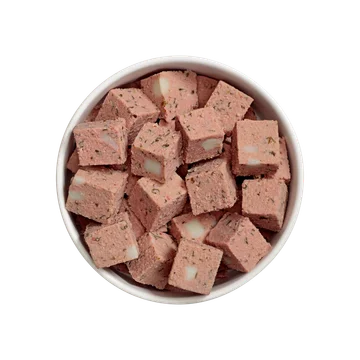
So does fresh food help? It can! Fresh, less processed diets are more digestible making it easier to get key nutrients into the body, ingredients like salmon supply omega-3s and chicken provides a great source of glucosamine and chondroitin, and exact feeding measurements make it easier to monitor calorie intakes and ensure dogs maintain a healthy optimal weight. That’s how fresh food fits the three-pillar approach. What fresh food isn’t is a treatment: Food doesn’t relieve pain or restore mobility on its own. It is important to always work with your primary care veterinarian to find the best diet for a dog with a diagnosed joint condition.
As an example of a fresh recipe that contains these nutrients, Freshpet’s Vital® Benefits Joint Health & Mobility recipe contains glucosamine, chondroitin, and omega-3s in a complete and balanced fresh-cooked format.
Whatever you choose, loop in your veterinarian, especially for a dog already showing signs of joint pain. They can help you match the food to your dog’s specific needs and fit it into the rest of a joint-care plan.
A senior dog’s diet works best when it combines the same joint-supporting approach—lean body weight, omega-3s (EPA and DHA), and glucosamine and chondroitin—with two added senior priorities: high-quality, easily digestible protein to preserve lean muscle, and digestive support from prebiotics, fiber, and highly digestible carbohydrates like sweet potato and pumpkin.
These needs are connected more than they first appear:
It’s one connected picture: Weight affects the joints, muscle supports the joints, and efficient digestion helps an older dog actually absorb the nutrition behind it all. Keep an eye on your senior’s body condition in either direction—some older dogs gain weight while others lose weight or muscle—and let your veterinarian help you prioritize among these needs for your dog’s specific health picture.
The best choice is a complete, balanced diet that maintains a lean body weight and provides omega-3s (EPA and DHA), glucosamine, and chondroitin, chosen with your veterinarian. Weight management is the single most impactful dietary lever, since excess weight both stresses and worsens inflammation in the joints.
Yes. Excess weight affects arthritis in two ways: It mechanically stresses the joints, and body fat releases inflammatory compounds that worsen joint inflammation. Maintaining a lean body weight is the most impactful step you can take for a dog with arthritis.
At the nutrient and weight level, fresh food can help by making it easier to manage calories for a healthy weight and by supplying omega-3s and real-meat sources of joint-supporting nutrients as part of a complete diet, the same three-pillar approach to joint care. It isn’t a treatment, though: For a dog with a diagnosed joint condition, work with your veterinarian on any diet change.
Glucosamine, chondroitin, and the omega-3 fatty acids EPA and DHA are the most researched joint-supporting nutrients. Green-lipped mussel, MSM, hyaluronic acid, and manganese are also associated with joint support. Look for these as part of a complete and balanced diet.


cat pet parents
Join us as we cover the fascinating reasons why cats get the "nighttime zoomies."

pet wellness
Living in an apartment with a dog? Explore simple ways to exercise your dog, keep them entertained indoors, and help them thrive in small spaces.