






written by Tori Holmes
From daily tasks to medical emergencies, our pets are uniquely skilled to hold jobs that help us in nearly every aspect of our lives. For humans, this support increases independence and safety, but our pets benefit as well. These jobs are often deeply fulfilling, offering mental focus, excitement, and an opportunity to strengthen the bond they have with their favorite human. Let’s take a close look at the incredible ways that dogs and cats can help humans.
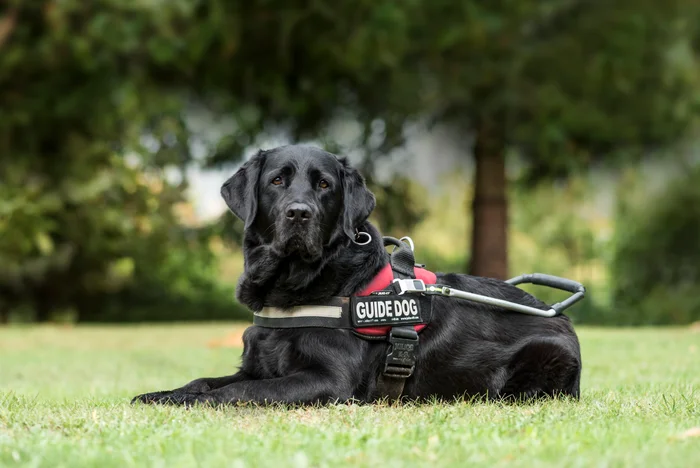
Modern service animals help with a wide range of daily challenges. Service animals are trained to support individuals with a physical, psychiatric, or neurological disability and can help with tasks including:
Legally, under the Americans with Disabilities Act (ADA) in the United States, only dogs and miniature horses qualify as official service animals. However, many people train their cats themselves to support them around the house. For instance, cats have been trained to:
While they may not be officially recognized, it’s clear that cats are also well-equipped to support their humans.
Medical alert animals are trained to smell chemical changes in the human body before symptoms even appear. Using their extraordinary noses, they are able to alert their owners to danger so they can take action immediately. There are numerous medical conditions that animals – usually dogs – can be trained to detect, but some of the most common are:
What makes medical alert animals so important isn’t just that they can warn their humans of impending medical issues. It’s that they do this before the issue becomes serious, giving their human precious time to take action.
When a hiker goes missing in the woods, or an earthquake collapses a building, search and rescue dogs are irreplaceable. These dogs use their powerful nose and ears to detect humans, even through water, rubble, or snow.
There are a few reasons why dogs make particularly good search and rescue animals:
Cats aren’t typically deployed for wilderness rescue, but indoor cats have been known to aid in home rescue situations. For example, by leading firefighters to trapped family members by yowling persistently at a closet door.
For humans, the benefit of having a pet with a job is obvious: health, safety, and peace of mind. But what about the pet – do they really enjoy this work? Fortunately, the answer is a resounding yes. For the pet, working is often deeply enriching, offering:
Pets with jobs remind us that helping isn't just about fetching a newspaper anymore – sometimes it's about being there when we need them most. And for the pet who loves you, that's the best job in the world.
cat pet parents
Join us as we cover the fascinating reasons why cats get the "nighttime zoomies."

pet wellness
Living in an apartment with a dog? Explore simple ways to exercise your dog, keep them entertained indoors, and help them thrive in small spaces.